







Autism and Swimming: A Meaningful Passion
Autistic individuals often visit pools or bodies of water not just to swim or splash around in shallow areas. Their interest is explained by sensory and psychological processing characteristics, connected to several aspects.
- Sensory Regulation and Comfort
- The hydrostatic pressure of water creates a “deep pressure” effect that soothes a hypersensitive nervous system. This helps reduce anxiety and sensory overload—common challenges in autism.
- The predictability of the aquatic environment also plays a role. Rhythmic movements and constant water resistance provide stability, meeting the need for structured activity.
- Repetitive Behavior Patterns
- Swimming involves cyclic motions (strokes, breathing), aligning with the tendency toward stereotyped actions in autism. This reduces stress and creates a sense of control.
- Physiological Benefits
- Regular water activities normalize cortisol levels, improving emotional regulation, reducing anxiety, and strengthening sleep.
- An interesting point relates to the so-called gut-brain axis. About 90% of autistic individuals experience gastrointestinal issues. Swimming stimulates peristalsis, and physical activity can improve the microbiome, indirectly influencing behavior.
- Social Interaction Without Pressure
- Group swimming lessons allow participation in social interactions with minimal eye contact and verbal communication, lowering stress. Team relays or synchronized swimming develop nonverbal coordination.
- Cognitive and Motor Effects
- Improved coordination and proprioception result from enhanced feedback from movements in water, compensating for motor difficulties in autism.
- Executive function stimulation occurs because swimming requires planning routes and following sequences, fostering cognitive flexibility.
Although direct studies specifically on autism and swimming are limited, sensory, motor, and emotional need data confirm the therapeutic potential of this activity. For example, a study on children with cerebral palsy and co-occurring autism showed that a 5-week swimming program, three times a week, improved sleep by 40%, reduced stereotyped movements by 25%, and increased socialization.
Initially, a child might resist swimming, but much depends on an individualized approach. Sessions should start at 10–15 minutes, gradually increasing duration. Use visual supports—cards showing the sequence of actions. For sensory adaptation, choose pools with soft lighting and minimal noise. Water temperature should be comfortable (28–30°C) to avoid hypersensitivity. If resistance remains, alternatives like aqua aerobics or water ball games may be appealing.
Swimming can play an important developmental and therapeutic role but will not eliminate the underlying cause—autism. The most effective and fastest way to address the disorder and its symptoms today is stem cell therapy. This innovative procedure, now widely recognized, involves transplanting stem cells taken from the patient, eliminating rejection risk and ensuring safety. Its reliance on natural regenerative capabilities makes it highly natural.
Stem cells can transform into any other cell type and replace malfunctioning ones with healthy counterparts. As a result, brain and nervous system function normalizes soon after treatment, behavior stabilizes, overall development and skill acquisition accelerate, and autism symptoms decrease or disappear entirely. These improvements are long-lasting, often lifelong, enhancing the effectiveness of other corrective measures in the long term.
Since other treatments do not have similar effects, stem cell therapy is likely to become the main method of combating autism and its symptoms in the future. Currently, only a few advanced clinics worldwide offer it, including the Mardaleishvili Medical Center. Their highly qualified doctors have extensive successful experience in stem cell transplantation and possess the most modern equipment to achieve optimal positive therapeutic results. The center meets the strictest international standards and offers more affordable prices compared to other countries with advanced healthcare systems. Assistance is also available for travel planning and other arrangements, including accommodation during rehabilitation.
Stem cell therapy is the best way to overcome autism without medication!
Autism Treatment Center Videos
Autism treatment with own stem cells
Cord blood association congress
International Quality Crown
Autism Treatment Reviews
Autism treatment with own stem cells
The story of Alessandro (6 years old)
Autism Patient Testimonial - Stem Cell Treatment
Clients Testimonials

Lidiya — Elina’s mother Read More

Anna – Sasha’s mother Read More

Amirkhon’s father — Tokhir Read More

Dilana’s mother Read More
Irina and Stefan – Ilya’s parents Read More

Kristina – mother of Nelly and Nik Read More
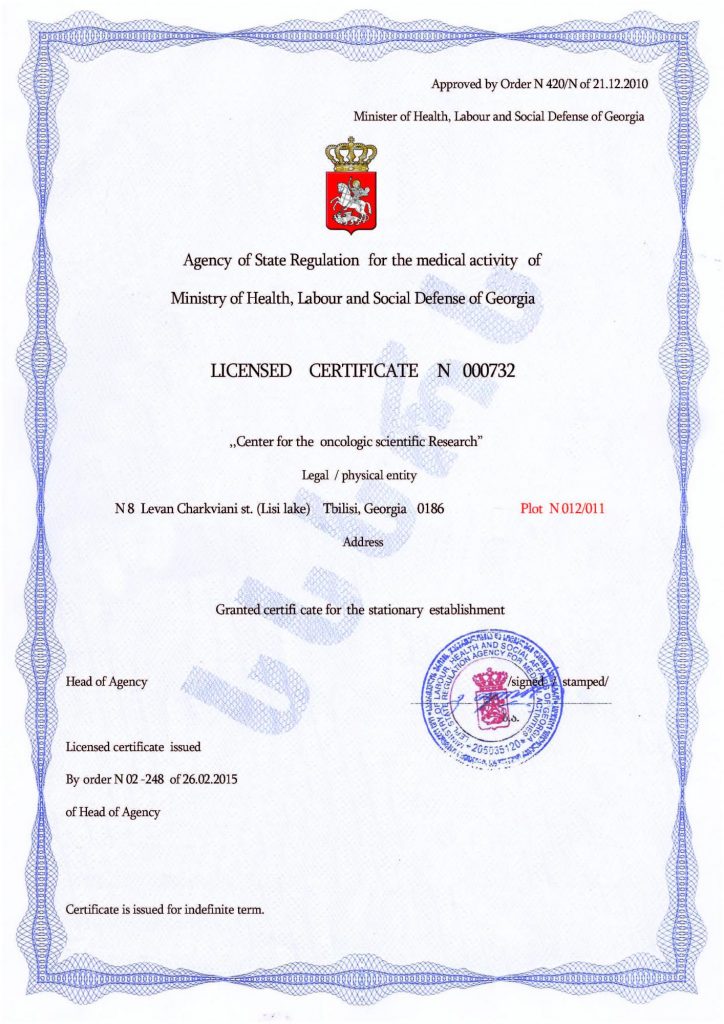
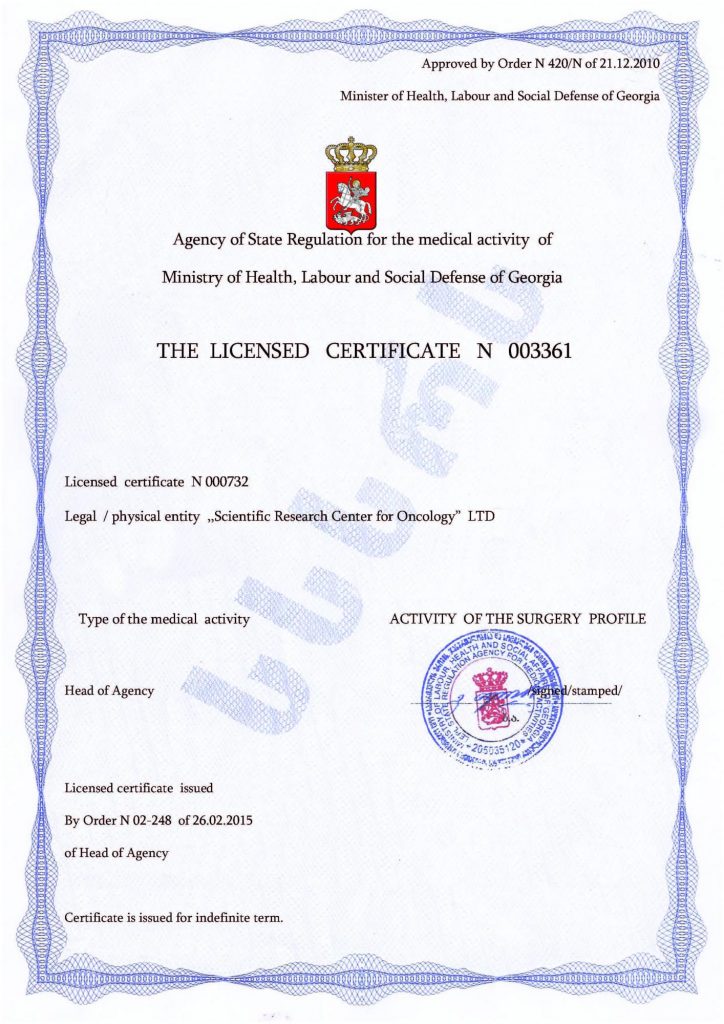
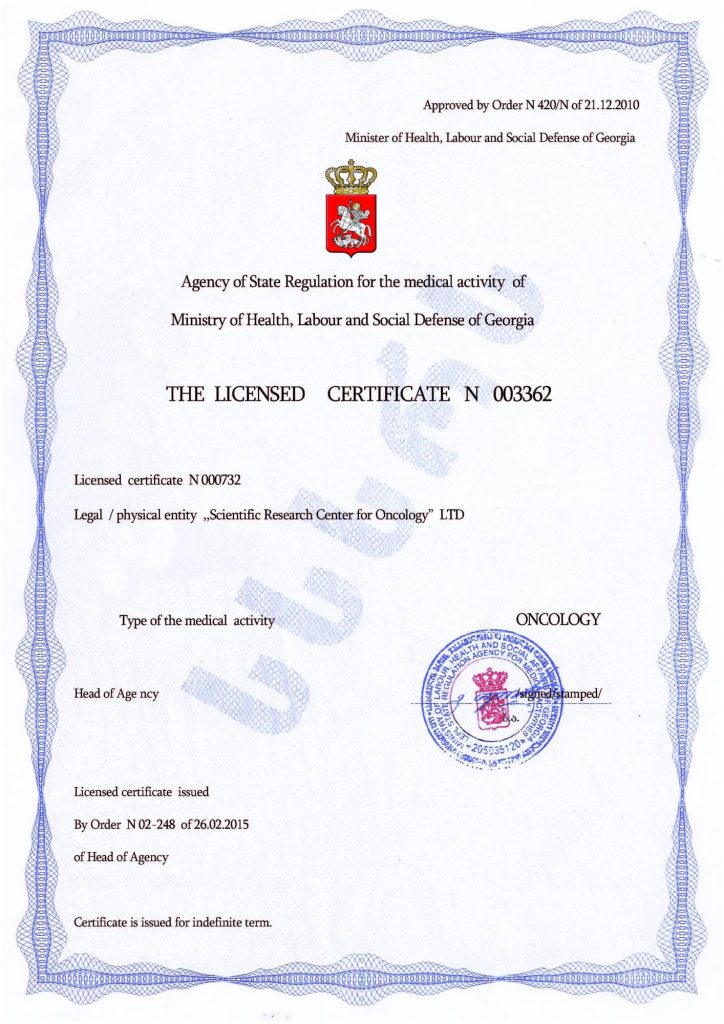
Certificates And Licenses