






Obsessive Ideas in Autism
Obsession or Personality Trait?
Excessive focus on a specific topic, commonly observed in many autistic individuals, can appear as an all-consuming obsession. These intense interests often provide joy and comfort, offering a sense of identity and a way to connect with the world. However, the question arises: are these interests a symptom of autism or simply part of a person’s unique personality?
Obsession can indeed be a sign of a disorder. Many autistic individuals demonstrate fixation on specific subjects, actions, or objects from early childhood. This may take the form of deep interest in trains, dinosaurs, or video games. Such interests often offer comfort and a sense of control, helping them navigate a world that can feel confusing and overwhelming.
However, not all intense interests indicate autism. People of all neurotypes can develop strong passions. Additionally, the intensity and nature of fixations can differ greatly among autistic individuals. Therefore, while obsessive focus is common in autism, it is not an exclusive or defining trait.
What Are Obsessive Ideas in Autism?
Obsessive ideas in autism are highly focused interests that are extremely compelling and can dominate a person’s thoughts and behavior. These interests may vary from specific topics or objects to repetitive behavioral patterns. It’s important to distinguish between healthy curiosity and an obsession that interferes with daily life.
Obsessive ideas in autism can be identified by four main characteristics:
• Intensity – an excessive focus on a certain topic or activity.
• Persistence – ongoing engagement despite other responsibilities.
• Rigidity – resistance to changes in routines tied to the obsession.
• Impact – interference with social interaction or daily functioning.
Key Traits of Obsessive Interests
Obsessive interests in autism are marked by intense, focused absorption in particular topics, objects, or activities. They often exceed typical levels of enthusiasm and become a central focus.
Key features may include:
• Deep concentration on a specific interest, often to the exclusion of other activities.
• Repetitive behaviors related to the interest, such as collecting or reenacting.
• Extensive, sometimes expert-level knowledge on the topic of obsession.
• Strong resistance to changes that disrupt routines tied to the interest.
Variability and Expression
How obsessive ideas manifest can vary based on age, cognitive abilities, and personality. This may involve:
• Spending significant time and attention on a narrow topic, often at the expense of other areas.
• Repetitive actions or rituals linked to the obsession that provide comfort or stimulation.
• Exceptional focus and immersion, occasionally paired with notable skills or talents.
• Limited interest in other subjects, accompanied by deep expertise in a narrow area.
Why Do Obsessive Ideas Occur?
Studies show that obsessive interests are more frequent in autistic individuals than in neurotypical people. Several theories attempt to explain this connection. One theory suggests a need for routine, predictability, and order in a world that may feel chaotic and overstimulating. Another theory sees these ideas as coping mechanisms that provide control and comfort during stressful or anxiety-inducing situations.
How to Support and Manage Obsessive Ideas
Helping autistic individuals manage obsessive ideas involves strategies that promote positive behavior and balanced engagement. These strategies may include:
• Creating predictable daily routines to provide stability.
• Using visual schedules to support smooth transitions between activities.
• Redirecting attention to alternative interests or tasks.
• Encouraging and rewarding adaptive behavior that reduces fixation intensity.
A personalized combination of these strategies, adapted to the individual’s needs and preferences, can provide meaningful support. However, they do not address the root cause — autism itself.
Innovative Treatment: Cell Therapy
Various approaches have been developed to address autism at its core, but the most effective to date is cell therapy. This innovative, safe, and natural method involves the minimally invasive transplantation of stem cells. These are taken from the patient’s own body, eliminating the risk of immune rejection, and healing occurs through the body’s natural regenerative capabilities.
Stem cells are unique in their ability to transform into any type of cell, replacing damaged ones with healthy alternatives. This process helps the brain and nervous system begin to function normally, leading to behavior stabilization, faster development, skill improvement, and in many cases, the reduction or full disappearance of autism symptoms. These changes are long-lasting — often permanent — and make complementary therapies more effective.
Thanks to its benefits, cell therapy is already a widely accepted approach for treating autism and its symptoms, and it may become the leading method in the future. It is currently practiced in top clinics around the world, including the Mardaleishvili Medical Center.
The center is staffed by highly qualified specialists with extensive experience in stem cell transplantation. They use the latest equipment to ensure the best possible outcomes. The treatment meets the strictest international standards while remaining more affordable than in many countries with developed healthcare systems. If needed, the clinic also provides assistance with travel arrangements and accommodations during the rehabilitation period.
Fill out the contact form — take advantage of the most effective way to overcome autism!
Autism Treatment Center Videos
Autism treatment with own stem cells
Cord blood association congress
International Quality Crown
Autism Treatment Reviews
Autism treatment with own stem cells
The story of Alessandro (6 years old)
Autism Patient Testimonial - Stem Cell Treatment
Clients Testimonials
Lidiya — Elina’s mother Read More
Anna – Sasha’s mother Read More

Amirkhon’s father — Tokhir Read More

Dilana’s mother Read More
Irina and Stefan – Ilya’s parents Read More

Kristina – mother of Nelly and Nik Read More
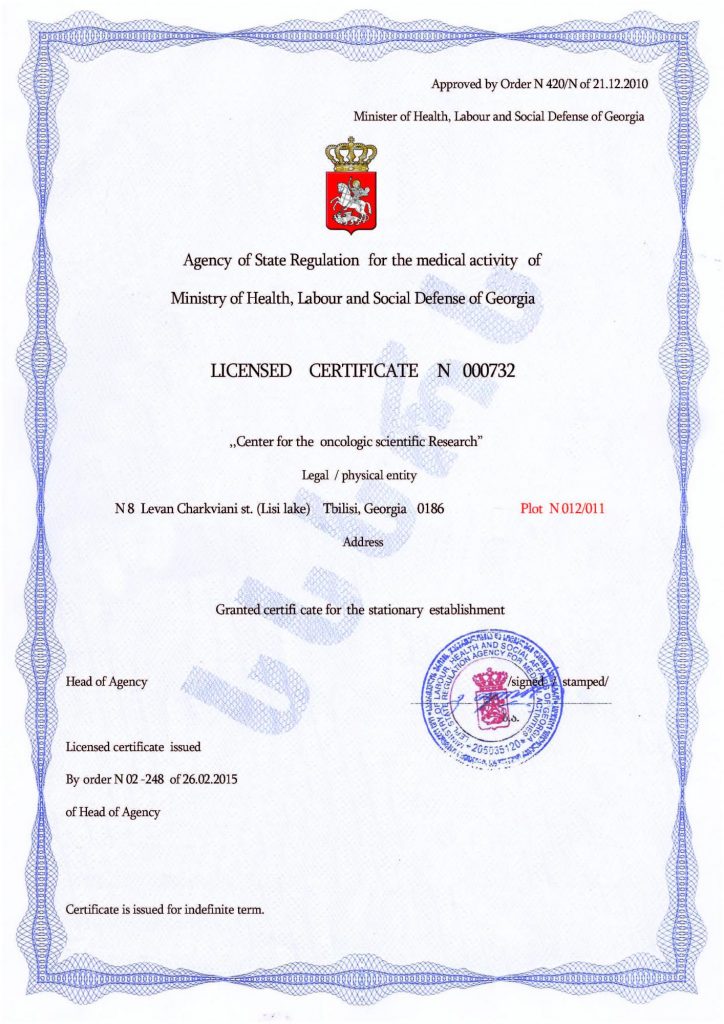
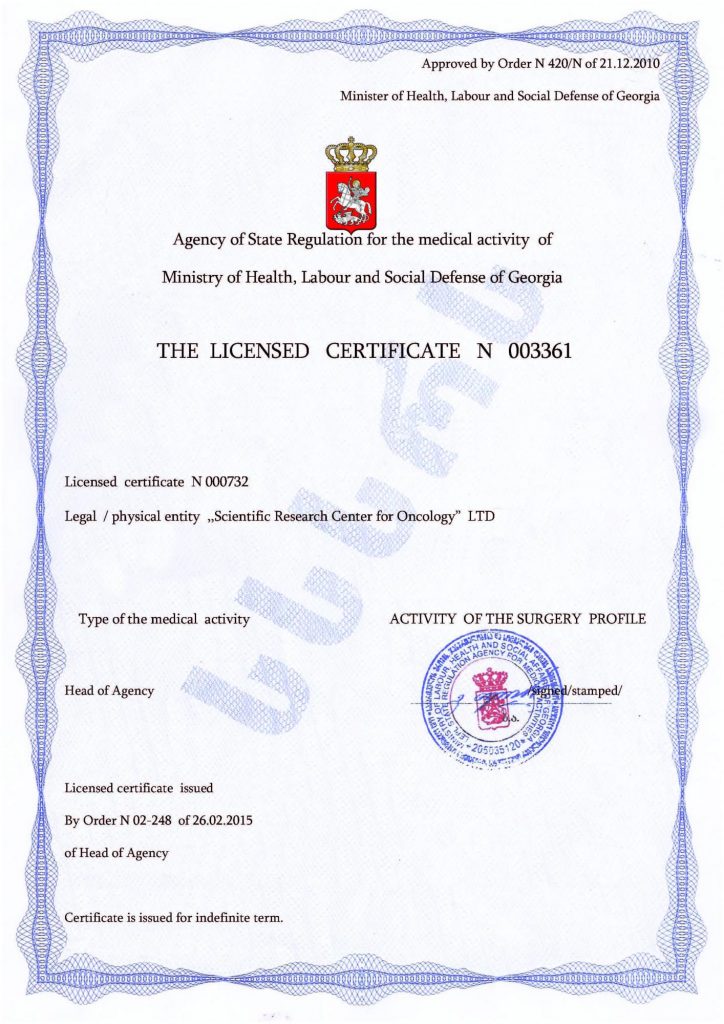
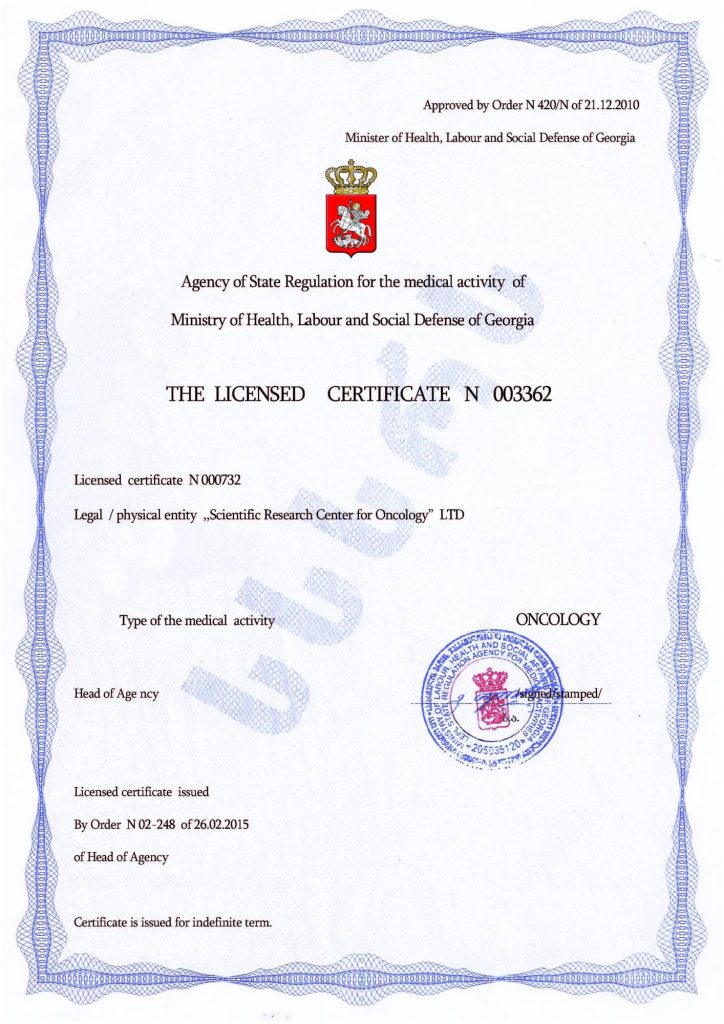
Certificates And Licenses