





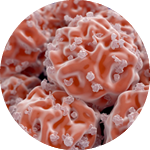

Autism and the Obsession with Cats
Intense and deep interests (often called “special interests”) develop in many autistic individuals, and many of them choose cats. Generally, these children tend to love all animals, but cats possess certain unique qualities that make them especially favored.
- Sensory Appeal
Cats are soft and fluffy, they purr — a calming rhythmic sound — and move in predictable and graceful ways. These behaviors can help reduce stress and regulate an overloaded sensory system in autistic individuals. - Predictability of Behavior
Cats follow clear patterns, whether it’s sleeping, eating, playing, or grooming. Understanding this “life schedule” can soothe an autistic person by providing a sense of certainty and reducing unexpected events. - Nonverbal Communication
Cats communicate mainly through body language — tail gestures, ear positions, purring, and meowing. Autistic individuals who struggle with verbal communication often respond well to this nonverbal interaction. - Unconditional yet Predictable Attachment
Cats show affection to their owners, but on their own terms. Their behavior tends to be less demanding than human interaction, creating comfort. Also, like many animals, cats never display insincerity. - Sensory System Response
Interacting with cats — whether petting, watching, or even learning about them — can bring deep focus and calmness, which helps reduce anxiety. - Educational Potential
Given autistic individuals’ attention to detail, their interest in cats can be channeled into learning — biology, care guidelines, behavior, different breeds, history and geography (origins of breeds), literature, and art.
The fascination with cats is not “just an obsession” but an important part of an autistic person’s life. This interest should be supported by asking questions and praising the depth of their knowledge. Providing more information — popular science and fiction books, documentaries on educational YouTube channels — is helpful. Encouraging drawing or sculpting cats, making cat-themed crafts, gifting cat toys, or collecting cat puzzles all help develop fine motor skills, cognitive abilities, and other skills. For example, books about cats can motivate reading; writing stories or reports about cats can improve writing skills; studying anatomy or genetics can be used for biology lessons, and so on. If there is a cat at home, involve the child in its care. If not, caring for a plush cat, exploring care needs, or volunteering at an animal shelter (depending on age) can be beneficial. Cat-shaped stress toys or purring recordings can also be helpful.
It is important to remember that love for cats does not automatically mean love for every cat, as cats may behave unpredictably, especially around other cats. A child may idealize cats, but it is important to tactfully explain that cats, like people, have their own needs, moods, and boundaries. If the inability to play with cats or excessive interest in them interferes with other activities, causing uncontrollable meltdowns or anxiety, professional help should be sought.
Of course, fascination with animals can occur in anyone, but in autistic individuals, such a “special interest” is directly connected to their condition. Autism has many manifestations, some dangerous, unlike a love for cats, which is positive. Addressing autism itself is of primary importance. Currently, the optimal way to overcome autism is minimally invasive cellular therapy — an innovative, reliable, safe, and natural method. It is based on stem cell transplantation, leveraging their unique ability to transform into any other cell type and replace damaged cells with healthy ones.
This process quickly leads to normalization of brain and nervous system function, stabilizes behavior, accelerates skill development or refinement, and reduces or often eliminates symptoms of autism. These effects last for a long time, often for life, enhancing the effectiveness of supportive therapies.
Today, cellular therapy is the most effective method stimulating natural regenerative capabilities. It has almost no contraindications, and using the patient’s own stem cells prevents rejection. These advantages of the recently developed technology have gained wide recognition and it may soon become the main approach to combating autism and its symptoms.
Notably, leading clinics worldwide were the first to apply cellular therapy. This is due not only to its superior effectiveness but also to the presence of highly qualified specialists and cutting-edge equipment. Among these is the Mardaleishvili Medical Center, where extensive successful experience with stem cell transplantation has been accumulated. The care provided meets the highest standards, and the cost is lower compared to other countries with advanced healthcare systems. The center is conveniently located and offers comprehensive assistance with travel planning and other arrangements, including accommodation during rehabilitation.
Fill out the feedback form — seize the best opportunity to overcome autism!
Autism Treatment Center Videos
Autism treatment with own stem cells
Cord blood association congress
International Quality Crown
Autism Treatment Reviews
Autism treatment with own stem cells
The story of Alessandro (6 years old)
Autism Patient Testimonial - Stem Cell Treatment
Clients Testimonials
Lidiya — Elina’s mother Read More
Anna – Sasha’s mother Read More

Amirkhon’s father — Tokhir Read More

Dilana’s mother Read More
Irina and Stefan – Ilya’s parents Read More

Kristina – mother of Nelly and Nik Read More
Certificates And Licenses