








Why Do Children with Autism Enjoy LEGO?
Children with autism often have well-developed logical thinking, which makes them naturally drawn to construction-based activities. Among the many types of building sets, LEGO stands out as a favorite for many. While it’s difficult to pinpoint the exact reason for this preference, it’s likely related to the way autistic individuals perceive the world, their need for structure, and the developmental opportunities LEGO offers. Here are some of the key reasons:
- Predictability and Structure
LEGO provides clear rules and a structured system: pieces fit together in specific ways, and instructions offer step-by-step building algorithms. This gives a sense of control in a world that may often feel chaotic and overwhelming to autistic individuals. Research shows that LEGO’s systematization reduces anxiety and supports emotional regulation. - Developing Social Skills Through LEGO Therapy
LEGO-based therapy uses building sets as a tool for teaching social interaction. Children are assigned specific roles:
• Engineer — reads the instructions
• Supplier — searches for pieces
• Builder — assembles the model
• Director — coordinates the process
This format encourages:
• Communication, including asking for help and giving instructions
• Joint attention and teamwork
• Taking turns and learning the value of compromise
Studies show that after a course of LEGO therapy, children demonstrate longer durations of social interaction and reduced stereotypical behaviors.
- Sensory and Cognitive Benefits
• Tactile Stimulation: Pieces come in various shapes and textures, satisfying sensory needs. Sorting by color or size brings order to sensory chaos.
• Cognitive Development: Building models strengthens fine motor skills and hand-eye coordination. It enhances spatial reasoning, analytical thinking, and synthesis (e.g., breaking down and reassembling models). It can also support speech development through verbalizing building steps. - Deep Engagement and Self-Expression
Many autistic individuals have “special interests” — intense fascinations that may evolve into career paths. LEGO supports this due to several factors:
• Endless Combinations: Six standard bricks can be combined in over 915 million ways, offering sustained interest.
• Creative Expression: Building original models gives a sense of achievement, especially with clear, visible results.
Not all autistic people love LEGO, and interest in building sets is not a diagnostic sign of autism. It only becomes a notable marker when accompanied by ritualistic behavior (such as repeatedly building the same models in a strict sequence) and distress when routines are disrupted.
LEGO combines structure, sensory safety, and social potential, making it a powerful tool for autistic development. Its value has been confirmed in practice — from enhancing motor skills to improving communication. However, LEGO, like other toys or activities, is not designed to treat autism or eliminate its symptoms.
Cell Therapy: A Modern Path to Treating Autism
The most promising method for addressing the root causes of autism is cell therapy, a modern approach grounded in scientific and technological advancement.
The therapy involves the transplantation of stem cells taken from the patient, which eliminates the risk of rejection and ensures safety. These cells are unique in their ability to transform into any other cell type, replacing damaged ones with healthy versions. Soon after the procedure, the brain and nervous system begin to function more normally, behavior becomes more stable and predictable, overall development accelerates, and autism symptoms often lessen or disappear entirely.
These improvements tend to last for a long time — often for life — enhancing the effectiveness of other therapeutic measures.
Cell therapy works by stimulating the body’s natural regenerative abilities, making it the most organic treatment available. No other current method offers such deep and lasting impact. For this reason, cell therapy — already widely recognized — is expected to become the primary treatment approach for autism in the future.
This treatment is already practiced in leading clinics worldwide, including the Mardaleishvili Medical Center. The clinic’s top-tier specialists have extensive successful experience with stem cell transplantation and use cutting-edge equipment to achieve the best possible therapeutic outcomes. Their services meet the highest global healthcare standards while remaining more affordable than in many other countries with advanced medical systems.
In addition, patients and families can count on comprehensive support with travel arrangements and logistical concerns, including accommodations during the rehabilitation period.
Cell therapy is the best chance to overcome autism!
Autism Treatment Center Videos
Autism treatment with own stem cells
Cord blood association congress
International Quality Crown
Autism Treatment Reviews
Autism treatment with own stem cells
The story of Alessandro (6 years old)
Autism Patient Testimonial - Stem Cell Treatment
Clients Testimonials

Lidiya — Elina’s mother Read More

Anna – Sasha’s mother Read More

Amirkhon’s father — Tokhir Read More

Dilana’s mother Read More

Irina and Stefan – Ilya’s parents Read More

Kristina – mother of Nelly and Nik Read More
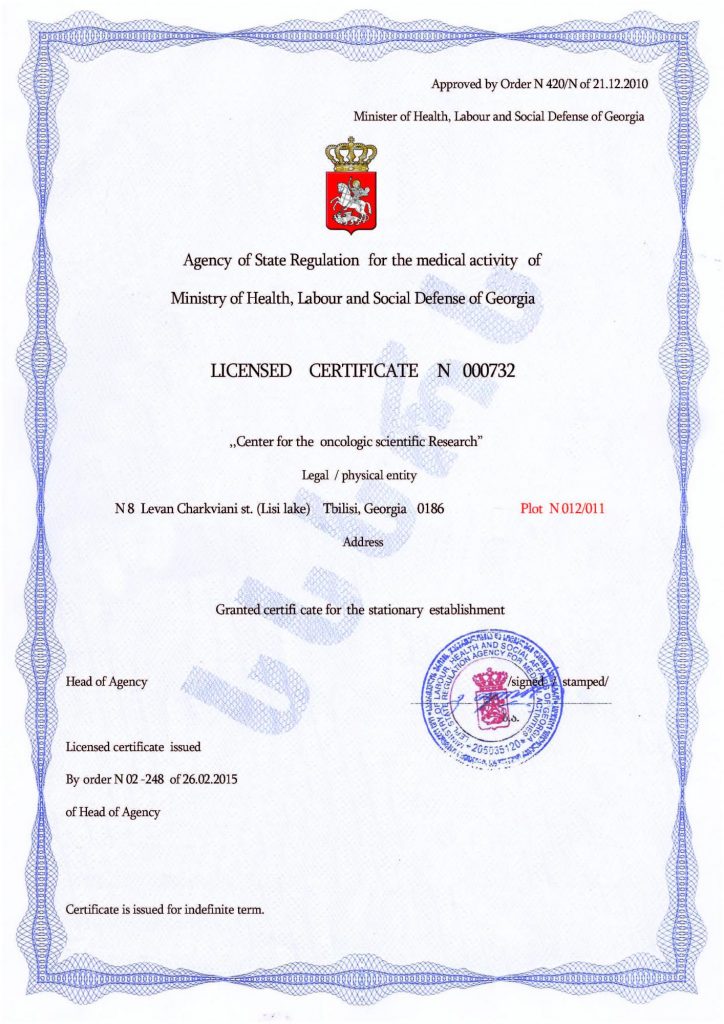
Certificates And Licenses