








Horror Films and Autism: When Does Interest Become Obsession?
In autism spectrum disorders, some individuals struggle with hypersensitivity of the sensory system, while others, on the contrary, seek additional stimulation. Horror films can provide this stimulation. They are often simple in plot and lack complex psychological nuances that may be difficult for autistic individuals to interpret, yet they maintain tension until the very end.
These films may be appealing for several reasons:
- Predictable Structure and Rules
• Horror films often follow clear formulas, patterns, and tropes—for example, monsters look frightening and are ultimately defeated. This predictability can be calming and manageable for autistic thinking, which seeks order. - Intense Sensory and Emotional Experience
• Autistic individuals may experience very strong emotions while watching films. Unlike real life, cinema provides a controlled environment to experience fear, tension, or excitement safely, with the ability to pause or resume at any time. This helps process and understand intense emotions. - Focus on Clear Themes
• Horror films often explore distinct concepts such as good versus evil, overcoming fear, survival, rules, and consequences. These sharp contrasts can be especially engaging. - Potential for “Special Interests”
• Horror offers opportunities to deeply explore characters, special effects, sound design, and directing techniques. Entire franchises built around these themes further support the development of focused and detailed interests. - Understanding Fear in a Safe Way
• Watching horror can help explore the abstract concept of fear without real danger. - Self-Regulation
• Increased adrenaline or sustained attention may serve as a form of emotional stimulation or regulation. - Social Connection
• Shared interest in horror films can facilitate communication with peers or family members, even if interaction styles differ (for example, exchanging facts rather than discussing emotions).
At the same time, several important risks should be considered.
The most critical factor is whether the content is appropriate for the child’s age, developmental level, and sensitivity. Scenes depicting violence or cruelty may cause psychological distress that takes significant time to overcome.
Horror films are not suitable for individuals who have difficulty distinguishing fantasy from reality. This is especially relevant for younger autistic children or those with intellectual disabilities, where confusion can lead to anxiety, nightmares, or disorientation.
Sensory overload is another concern. Horror films often include loud, sudden sounds, dissonant music, and rapidly changing visuals. While these elements create suspense, they may overwhelm the sensory system, potentially leading to meltdowns or withdrawal.
Frequent viewing can increase overall anxiety, intensify fears or phobias, and disrupt sleep—particularly in highly sensitive children. Parents should monitor emotional state, sleep patterns, and the emergence of new fears.
Difficulties with emotional regulation may also arise. While films can support emotional processing, overly intense experiences may be hard to manage. Even if a child appears calm during viewing, it is important to observe any lingering distress or heightened excitability afterward.
Additionally, obsessive discussion of horror content in inappropriate contexts (such as school or with younger children) may lead to misunderstandings and social challenges. Teaching awareness of context is essential.
Repeated exposure may also lead to desensitization—a reduction in emotional responsiveness. Content involving violence or socially inappropriate themes may influence empathy or worldview, although research findings on this are mixed.
If interest becomes excessive, open communication is key. Discuss what specifically attracts the child to horror and why. Carefully select content, starting with milder films and avoiding those with torture, extreme violence, or highly realistic scenes.
Encouraging reading can also be beneficial. Literary works, including horror and мистicism—such as those by Edgar Allan Poe and H. P. Lovecraft—can serve as a less visually intense alternative or complement. Watching films together and discussing them, as well as setting time limits, helps ensure that cinema does not replace other important activities such as studying, social interaction, physical activity, hygiene, and sleep.
In general, preventing obsession involves understanding the reasons behind a “special interest,” ensuring age-appropriate content, minimizing risks (especially anxiety and sleep disturbances), setting healthy boundaries, and using the interest constructively. However, these measures do not address autism itself, which underlies the tendency to focus deeply on limited topics. According to this perspective, eliminating the disorder and its symptoms is best achieved through cellular therapy, considered the fastest and most reliable approach.
This therapy involves minimally invasive transplantation of stem cells—the body’s fundamental building blocks. These cells can transform into other types, replacing damaged ones with healthy equivalents. As a result, brain and nervous system function normalize, behavior becomes more stable, and development accelerates. The severity of autism symptoms decreases, and in many cases they may disappear entirely. These improvements can be long-lasting, often lifelong, enhancing the effectiveness of supportive interventions.
Cellular therapy is considered safe because it uses the patient’s own stem cells, eliminating the risk of rejection, and is seen as natural because it relies on the body’s regenerative capabilities. It has gained broad recognition and may become a leading approach in treating autism spectrum disorders. It is currently used in advanced clinics worldwide, including the Mardaleishvili Medical Center, where highly qualified specialists and modern equipment support optimal outcomes. The center also offers assistance with travel planning and accommodation during rehabilitation.
Choose cellular therapy—and let autism no longer shape your child’s life!
Autism Treatment Center Videos
Autism treatment with own stem cells
Cord blood association congress
International Quality Crown
Autism Treatment Reviews
Autism treatment with own stem cells
The story of Alessandro (6 years old)
Autism Patient Testimonial - Stem Cell Treatment
Clients Testimonials
Feedback from Tatyana, Mekan’s mother (5 years old) Read More
Lidiya — Elina’s mother Read More
Anna – Sasha’s mother Read More

Amirkhon’s father — Tokhir Read More

Dilana’s mother Read More

Irina and Stefan – Ilya’s parents Read More
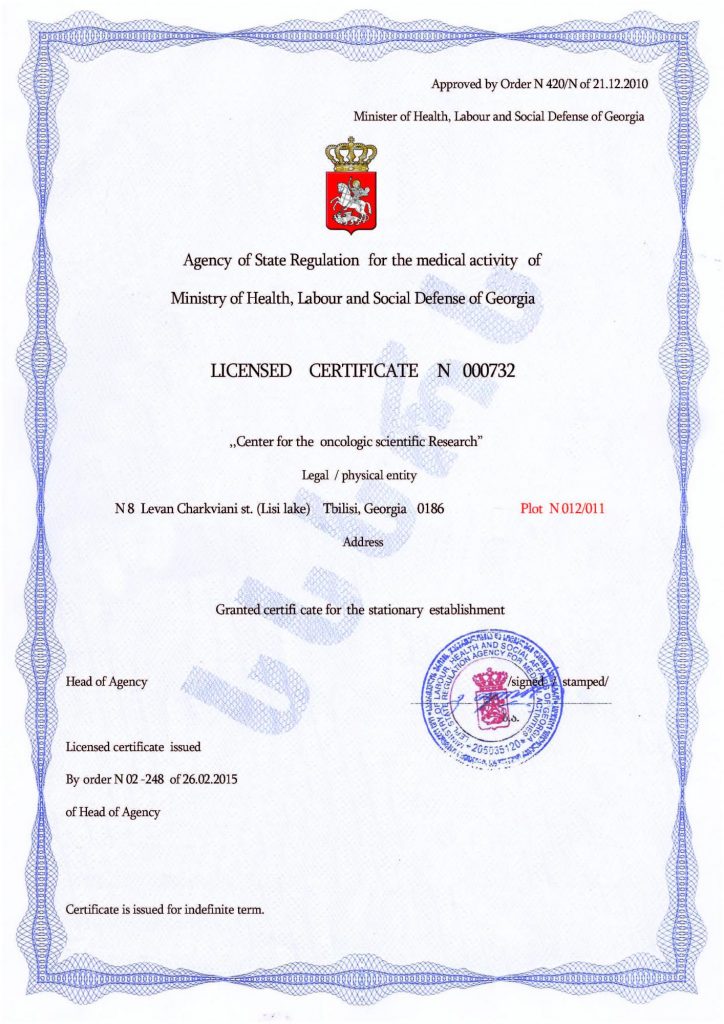
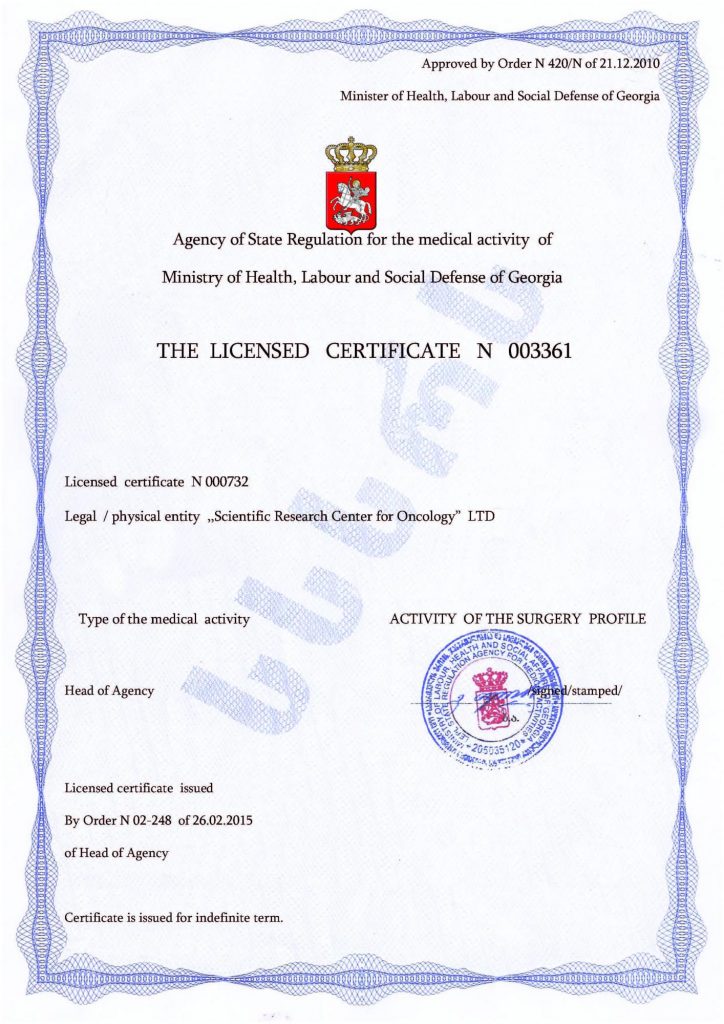
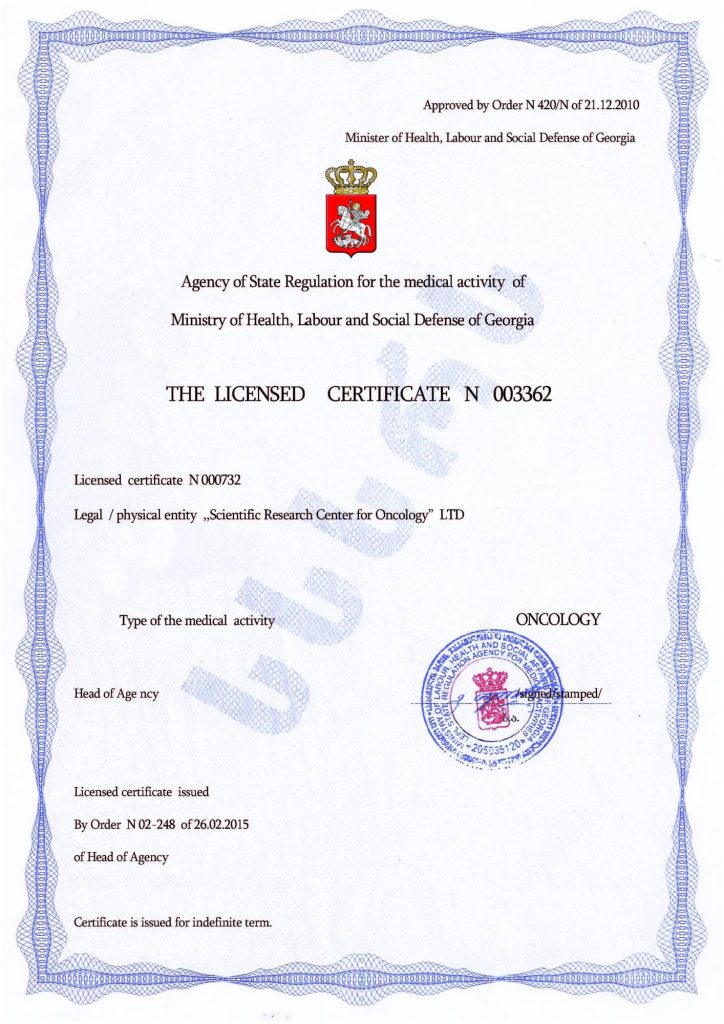
Certificates And Licenses