







Why Do Children with Autism Become Fixated on Food?
Intense food fixation arises from a complex interplay of neurological traits, sensory processing differences, and emotional needs:
- Sensory perception differences
- Heightened sensitivity to texture, taste, smell, or appearance can cause extreme selectivity. For example, a child may only accept crunchy or bland foods.
- Some children seek specific sensory experiences (e.g., preferring soft foods), which can lead to eating even without hunger.
- Need for consistency and predictability
- Eating only familiar foods, served in the same way, creates predictability and reduces anxiety. New foods or changes in presentation can trigger stress.
- Anxiety and emotional regulation
- Food can be used as a coping mechanism. Up to 70% of autistic children use preferred foods to self-soothe, reinforcing fixation.
- Gastrointestinal issues
- About 46% of autistic children experience GI problems (constipation, diarrhea, reflux, etc.), making “safe” foods particularly appealing.
Consequences of Food Fixation
- Poor nutrition, vitamin deficiencies, limited fiber intake, higher risks of obesity, diabetes, and heart disease.
- Increased GI issues.
- Social isolation due to reluctance to participate in events with unfamiliar foods.
- Higher risk of compulsive eating compared to neurotypical peers.
Strategies for Support
- Structured meal times
- Offer small portions every 2–2.5 hours and use visual schedules to create predictability and reduce anxiety.
- Gradually introduce new foods alongside preferred ones to encourage experimentation without pressure.
- Gradual exposure to new foods
- Step 1: Allow the child to touch or smell the new food.
- Step 2: Place a small piece near their plate to create associations.
- Step 3: Use playful approaches like molding purees or blending ingredients to hide new tastes.
- Sensory and behavioral support
- Provide alternatives for oral stimulation (chewable bracelets, rubber toys).
- Avoid using food as a reward or punishment.
- Employ occupational therapy to address sensory challenges.
- Engage the child in food-related activities
- Encourage participation in cooking, choosing ingredients, and stirring.
- Allow self-serving to build motor skills and independence.
When to Seek Professional Help
- Medical attention for weight changes, GI issues, or nutrient deficiencies.
- Consultation with a dietitian or behavioral therapist if fixation, anxiety, or compulsive behaviors interfere with daily life.
Patience and individualized strategies are key. Even one taste of a new food is progress. Prioritizing sensory comfort and emotional support over rigid dietary rules helps increase flexibility over time.
Cell Therapy for Autism
While these strategies support behavior, the text claims that only cell therapy can address autism itself — the root cause of many behavioral and sensory challenges. This minimally invasive procedure involves transplanting stem cells, which can differentiate into various cell types, replacing damaged ones with healthy counterparts. This is described as:
- Normalizing brain and nervous system function
- Stabilizing behavior
- Accelerating skill development
- Reducing or eliminating autism symptoms
- Providing long-term, often lifelong, benefits
The therapy is portrayed as safe (using the patient’s own stem cells to avoid rejection) and natural, leveraging the body’s regenerative abilities. It is offered in leading clinics, including the Mardaleishvili Medical Center, which provides expert staff, advanced equipment, and comprehensive patient support.
Use cell therapy — and your child can enjoy mealtimes without fuss!
Autism Treatment Center Videos
Autism treatment with own stem cells
Cord blood association congress
International Quality Crown
Autism Treatment Reviews
Autism treatment with own stem cells
The story of Alessandro (6 years old)
Autism Patient Testimonial - Stem Cell Treatment
Clients Testimonials

Feedback from Tatyana, Mekan’s mother (5 years old) Read More
Lidiya — Elina’s mother Read More

Anna – Sasha’s mother Read More

Amirkhon’s father — Tokhir Read More
Dilana’s mother Read More

Irina and Stefan – Ilya’s parents Read More
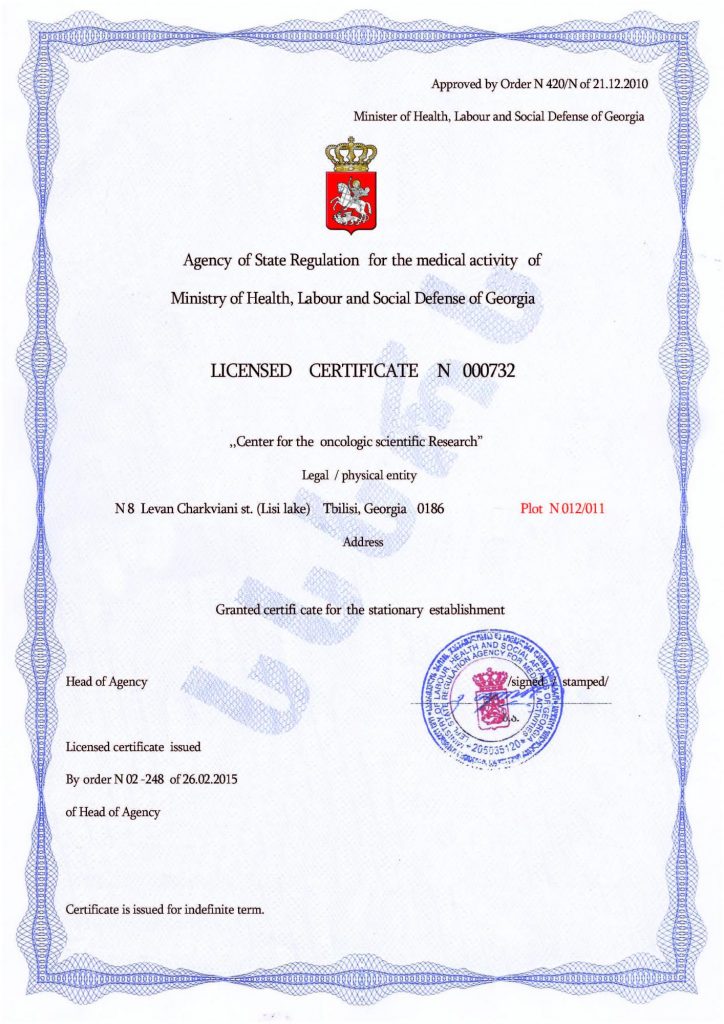
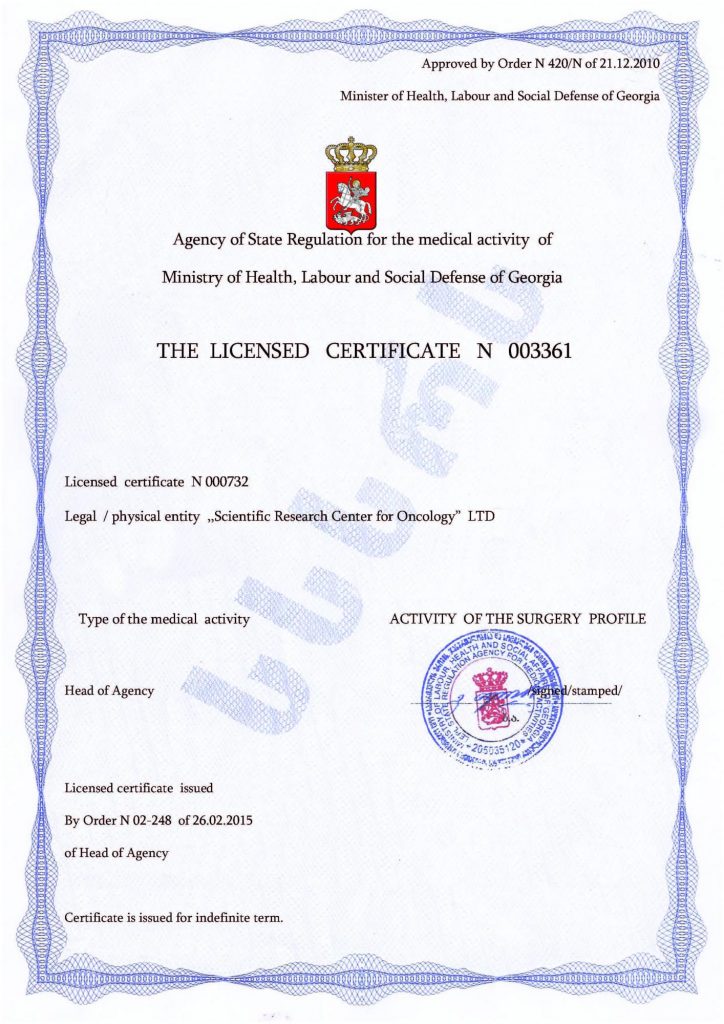
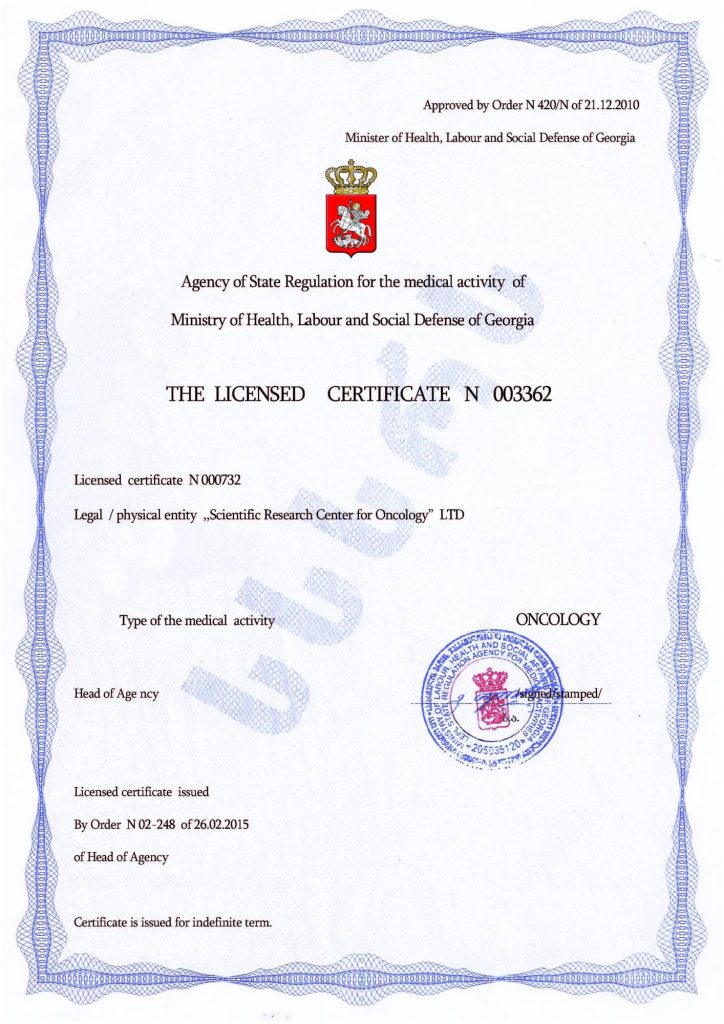
Certificates And Licenses