








Autism and Obsessive Interest in Feet
“Special interests,” which are common in many autistic individuals, can be directed toward any topics, objects, activities, or even body parts, including feet. It may be difficult to understand what is unusual about them or why they attract attention, but the autistic brain perceives the world differently, and this is also influenced by various behavioral, tactile, and cognitive characteristics.
- The Nature of Special Interests
First, it is important to remember that “special interests” are a key feature of autism. They are intense, narrowly focused, and, without proper guidance, can absorb most of a person’s attention and time.
- Sensory Preferences
Sensory preferences in autism are often linked to heightened sensitivity in the feet. Interest in them may have different motivations.
- During exploration, a child studies different textures (skin, socks, shoes), pressure (pressing on the foot), temperature, and toe movements
- Self-regulation may involve looking at, touching, rubbing, smelling, or otherwise interacting with feet as a way to calm down, cope with anxiety or overload, or simply experience pleasant sensations
- Understanding the Physical World
Exploring body parts—one’s own or others’—may be a way to understand the physical world, its structure, and its boundaries.
- Comfort and Predictability
Focusing on a familiar and understandable object (such as one’s own foot) provides comfort and predictability, creating a sense of control and safety in a world that may feel chaotic.
- Atypical Social Interaction
Sometimes, interest in feet may be an attempt to overcome social difficulties and interact with others, even in an unusual way (for example, showing a foot instead of a face).
When analyzing the situation and deciding how to respond, several aspects should be considered, taking into account the characteristics of a “special interest.”
- Intensity and Intrusiveness
- How much does the interest interfere with daily life (play, learning, communication)?
- Can the child switch to another activity when gently prompted?
- Does interruption lead to strong протест, aggression, or self-aggression?
- Context
- When does the interest appear most often (during stress, boredom, fatigue, or calm situations)?
- What exactly attracts the child—the appearance of feet, the sensation of touch, the smell, or movement?
- Object of Interest
- Is the child interested only in their own feet, or also in the feet of others?
- If others’ feet are involved, how does the interest manifest—looking, attempting to touch without permission, or touching only with consent?
In any case, several basic principles should be followed.
- Do Not Panic or Punish
Interest in feet is not “bad” or “deviant” behavior in the context of autism, but rather a manifestation of neurological differences. Strong negative reactions from parents may increase anxiety and reinforce the behavior as a way to gain attention or self-soothe.
- Observe and Analyze
Identifying patterns (when, where, under what conditions, and with what emotions the behavior occurs) is essential. This helps determine its function—calming, sensory stimulation, or attention-seeking.
- Offer Alternatives (Substitution)
- If the child seeks tactile stimulation, offer sensory toys (soft items, spiky balls, slime, containers with materials of different textures such as grains, buttons, or water). If pressure is preferred, weighted blankets or vests—or simply a firm hug, if welcomed—may help
- If the interest is in the concept of feet and understanding their role, use anatomy books, illustrations of foot structure, toy skeleton or foot models, footprint study kits, drawing or sculpting feet, or games involving foot use (hopscotch, football, etc.)
- Social stories can also be helpful—simple narratives explaining when and where it is appropriate to look at or touch one’s own feet (at home, in one’s room) and when it is not (in public places). It should be clearly explained that touching other people’s feet without permission is not allowed
- Use Interest as Motivation
The interest can be used as a reward for completing other tasks.
- Set Clear Boundaries
- The child should understand that looking at or touching others’ feet without clear permission is not acceptable
- If the child attempts to touch someone’s feet, gently block the action, guide their hand away, and repeat the rule. If the child asks for permission—even if consent is not always given—they should be praised
In more severe cases, support from specialists such as a neurologist, psychiatrist, clinical psychologist, ABA therapist, or special education teacher may be helpful. They can conduct a functional behavior assessment, develop an individualized intervention plan, and teach alternative communication, self-regulation strategies, and socially appropriate behaviors.
An occupational therapist working within sensory integration can also help identify the child’s sensory needs and develop appropriate strategies to meet them in ways that reduce the need for self-stimulation focused on the feet.
The key is to recognize that interest in feet is a manifestation of neurological differences, not intentional “bad” behavior. The goal is not to completely suppress this interest (especially if it involves the child’s own feet and supports self-regulation), but to understand its cause, guide it into socially appropriate forms, and teach alternative ways to meet sensory or cognitive needs. However, such efforts may have limited effect if atypical interests continue to be part of an autism spectrum disorder, which may also present with other symptoms.
Currently, the most effective and fastest way to address autism is considered to be cell therapy. This minimally invasive intervention delivers significantly more impressive results compared to traditional approaches. It involves the transplantation of stem cells and their unique ability to transform into any other type of cell. This process replaces defective cells with healthy ones, leading to normalization of brain and nervous system function soon after the procedure.
As a result, behavior becomes more stable and predictable, development accelerates, the child more easily acquires and refines skills, and the severity of autism symptoms decreases—often disappearing altogether. These changes are long-lasting and, in many cases, lifelong, enhancing the effectiveness of supportive interventions.
In this therapy, patients receive their own stem cells, eliminating the risk of rejection. It is also a highly natural method, as it stimulates the body’s regenerative potential. These qualities, along with its перспективность, have led to stem cell transplantation being widely recognized, with the potential to become a primary approach in treating autism spectrum disorders and their symptoms.
Today, cell therapy is used in leading clinics worldwide, including the Mardaleishvili Medical Center. Its doctors are highly trained, possess top-level qualifications, conduct scientific research, and have extensive successful experience in stem cell transplantation. The center is equipped with advanced technology that helps achieve the best possible outcomes.
The quality of treatment meets the highest international standards, while costs are lower than in many countries with developed healthcare systems. Additionally, the clinic provides comprehensive support, including assistance with travel planning and accommodation during the rehabilitation period if needed.
Undergo cell therapy — choose a healthy and fulfilling life!
Autism Treatment Center Videos
Autism treatment with own stem cells
Cord blood association congress
International Quality Crown
Autism Treatment Reviews
Autism treatment with own stem cells
The story of Alessandro (6 years old)
Autism Patient Testimonial - Stem Cell Treatment
Clients Testimonials

Feedback from Tatyana, Mekan’s mother (5 years old) Read More

Lidiya — Elina’s mother Read More

Anna – Sasha’s mother Read More

Amirkhon’s father — Tokhir Read More

Dilana’s mother Read More

Irina and Stefan – Ilya’s parents Read More
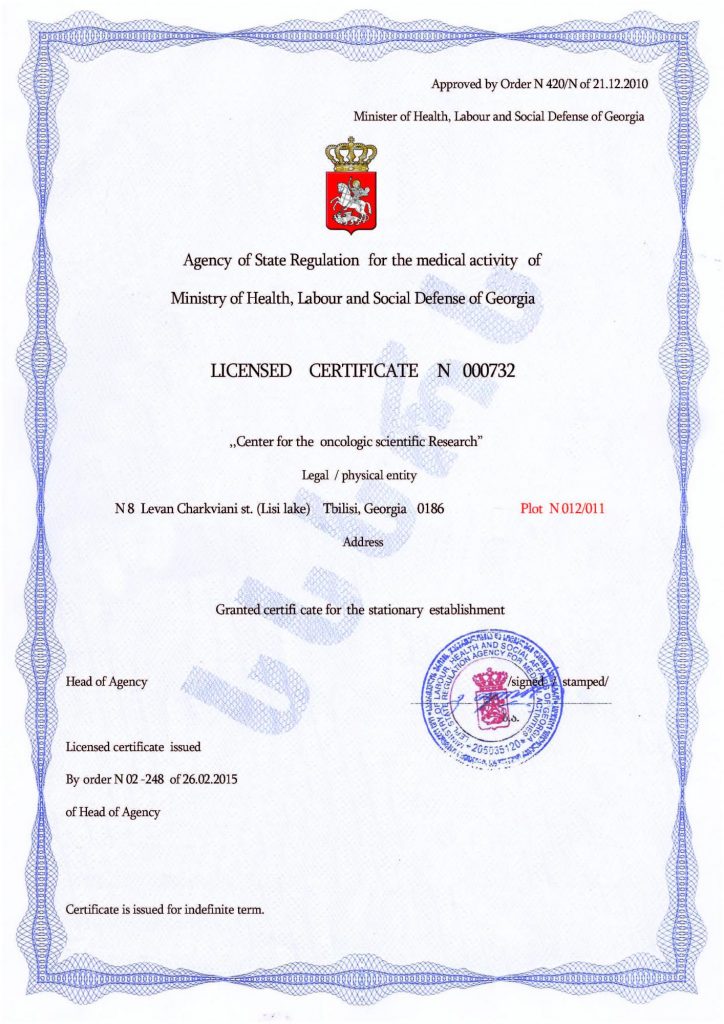
Certificates And Licenses