





Why Do Fans Fascinate Autistic Individuals?
In essence, any topic, object, or phenomenon can become a “special interest” for autistic individuals. At first glance, it may be difficult to understand the criteria behind these preferences. However, if a fan becomes a focus of attention, the reasons are quite clear.
- Sensory regulation — the predictable rotation of the blades creates a rhythmic visual stimulus that can be calming and help cope with sensory overload. The humming sound and the tactile sensation of airflow provide additional feedback
- Predictability and control — the operation of a fan is mechanically stable, creating a sense of order in a world that may feel chaotic. This contrasts with the unpredictability of social interactions and gives a sense of control
- Interest in systems — many autistic individuals have analytical, system-oriented thinking. The way a fan works demonstrates clear cause-and-effect relationships (for example, speed affecting airflow), satisfying the need to understand patterns
At the same time, this interest can shift from a way of exploring the world to a challenge.
- A child may run toward fans in public places or attempt to touch the blades. The attraction can be so strong that some children move toward the object of interest much faster than in other situations
- Social difficulties may arise. Fixation can interfere with family activities (for example, a child may ignore meals in a café while watching a ceiling fan) or peer interaction if conversations do not involve fans
- Development may also be affected. Excessive focus can reduce time spent on learning, responsibilities, or communication. However, in some cases, academic performance and social skills remain stable or even improve despite the dominant interest
One of the key positive aspects is improved emotional regulation—fans can help children self-soothe during anxiety or sensory overload. Skills may also develop: interest in fan models, mechanics, or electronics can lead to engagement with mathematics, physics, or engineering. Shared interests can support social interaction in settings such as electronics stores or online discussions. Finally, such interests can strengthen self-esteem.
To prevent a “special interest” from becoming obsessive, it is important to structure the time spent on it using visual schedules. The interest can be integrated into learning—for example, solving math problems involving rotation speed or comparing sizes. Safety rules around fans, especially in public places, should be clearly explained. It is also helpful to expand the interest by connecting it to related topics such as aerodynamics, electromechanics, or schematic design.
Alternative options for sensory stimulation may include spinner toys or apps that simulate rotating objects.
In some cases, professional support may be needed. Occupational therapy can assist with sensory integration and motor skills through themed activities (such as assembling fan models), while behavioral therapy may be necessary if compulsive behavior or anxiety occurs when a fan is unavailable. If fixation is accompanied by speech delay, social withdrawal, or repetitive behaviors, consultation with a neurologist or psychiatrist is recommended, although interest in fans alone is not a sign of autism—neurotypical infants also watch them during visual development.
At the same time, excessive intensity of any “special interest” goes beyond typical boundaries, and addressing the underlying condition is essential for achieving a full and balanced life. The most effective and fastest method currently considered is innovative cell therapy, which significantly surpasses traditional approaches.
This minimally invasive procedure involves the transplantation of stem cells—fundamental elements of the body capable of transforming into any type of cell and replacing damaged ones with healthy equivalents. As a result, brain and nervous system function normalize, allowing for accurate processing of information and appropriate responses to external stimuli. Behavior stabilizes, overall development accelerates, skills are acquired and refined more easily, and autism symptoms become less pronounced or often disappear entirely.
These improvements are long-lasting and, in many cases, lifelong, increasing the effectiveness of additional corrective measures.
Cell therapy is safe, as it has virtually no contraindications and uses the patient’s own stem cells, eliminating the risk of immune rejection. It is also highly natural, as it does not rely on medication but instead stimulates the body’s regenerative potential.
Although this technology was developed relatively recently and was initially considered experimental, it is now widely recognized and may become a primary method for addressing autism and its manifestations. It is already used in leading clinics worldwide, including the Mardaleishvili Medical Center. The center’s advantages include highly trained doctors with scientific expertise and extensive successful experience in stem cell transplantation, as well as advanced equipment that enables the best possible therapeutic outcomes.
The quality of care meets the highest international standards while remaining more affordable than in many countries with modern healthcare systems. The center is also conveniently located, and its staff can provide comprehensive assistance with travel planning and accommodation during the rehabilitation period if needed.
Fill out a request form — overcome autism with the help of cell therapy
Autism Treatment Center Videos
Autism treatment with own stem cells
Cord blood association congress
International Quality Crown
Autism Treatment Reviews
Autism treatment with own stem cells
The story of Alessandro (6 years old)
Autism Patient Testimonial - Stem Cell Treatment
Clients Testimonials
Feedback from Tatyana, Mekan’s mother (5 years old) Read More
Lidiya — Elina’s mother Read More

Anna – Sasha’s mother Read More

Amirkhon’s father — Tokhir Read More
Dilana’s mother Read More
Irina and Stefan – Ilya’s parents Read More
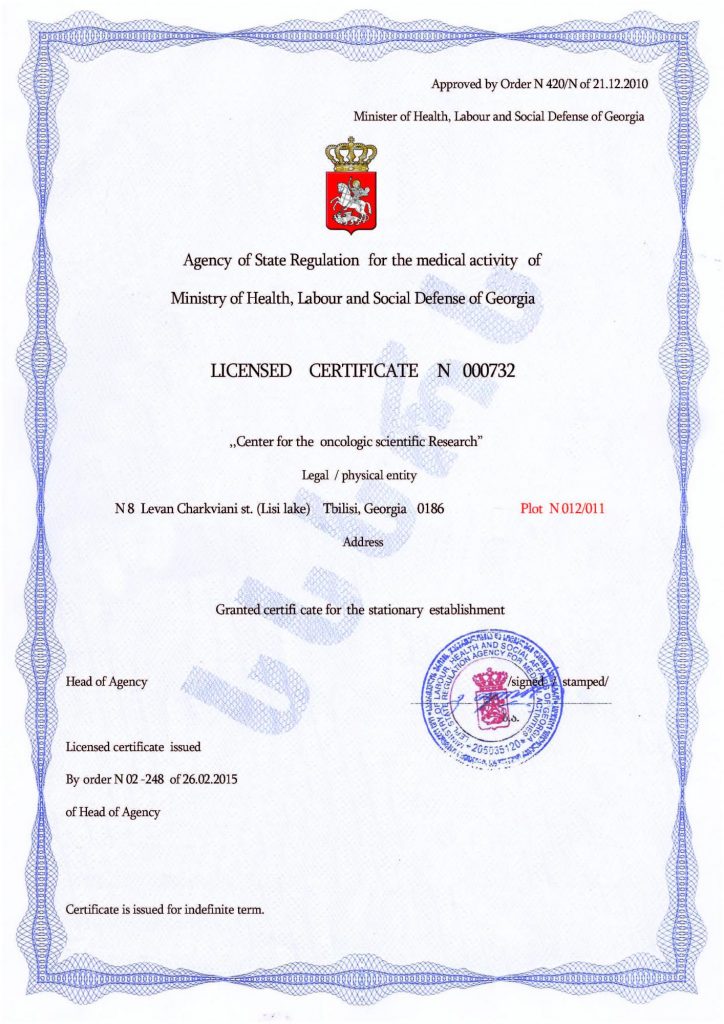
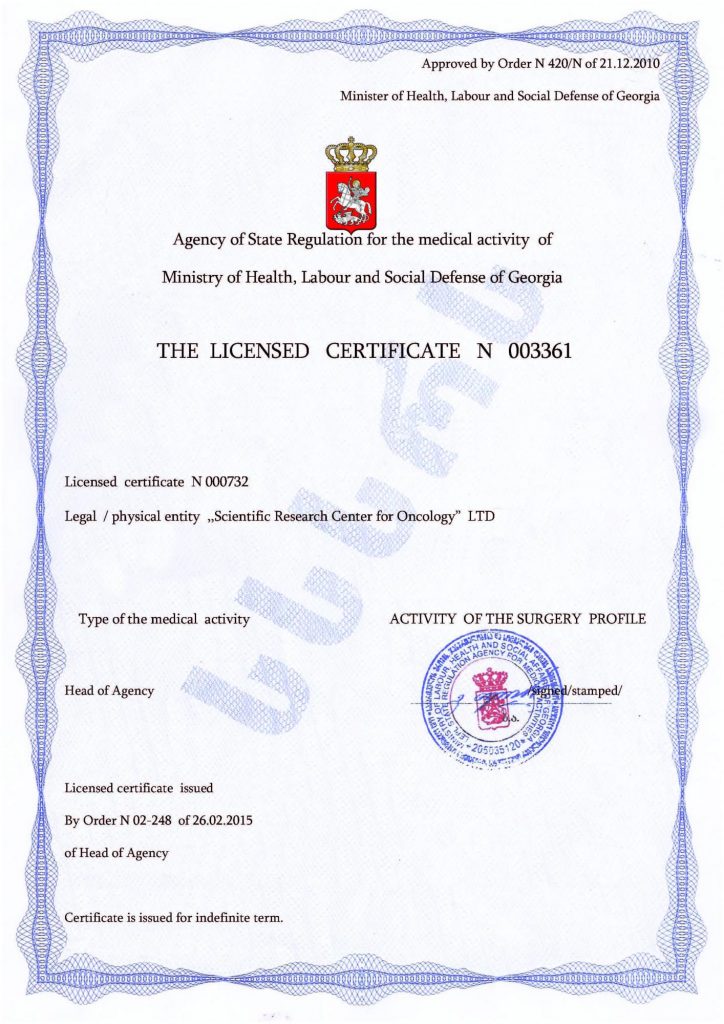
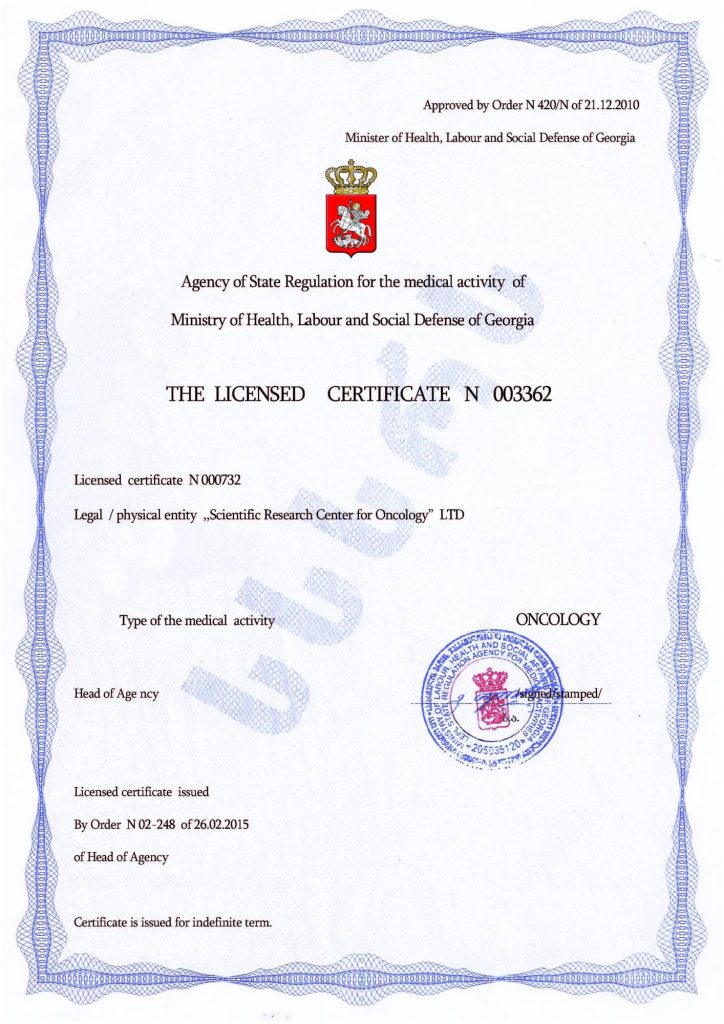
Certificates And Licenses