






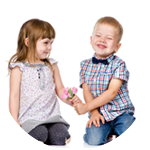
Emojis as a Source of Obsession in Autism
Nowadays, children and teenagers often communicate via smartphones rather than through face-to-face conversation. Many prefer using emojis to express their feelings, send a “flower,” a “heart,” and more. This alternative form of self-expression has also been embraced by autistic individuals. However, their use should be guided to ensure that interest in emojis does not become obsessive and that sending them does not turn into the only method and goal of communication.
Emojis can be highly appealing for several reasons.
- Clarity and Simplicity
They are clear and unambiguous images, which is important for autistic individuals. Many also process visual information more easily than nonverbal cues or spoken language. Simplified representations of emotions are often easier to understand than real facial expressions.
- Consistency and Predictability
Emojis are consistent and predictable. For example, a smiling face always looks the same and consistently represents positive emotions. This reliability can be calming in a world that may otherwise feel chaotic and uncertain.
- Simplified Emotional Expression
Emojis provide a simplified way to express emotions, which can be challenging to understand and convey. As clear symbolic representations of feelings, they make communication more accessible.
- Alternative Communication Tool
They can serve as an effective communication method for nonverbal or minimally verbal children, as well as for those who struggle to express thoughts verbally. Emojis offer a visual way to communicate feelings, needs, and reactions.
- Sensory Appeal
Bright colors, simple shapes, and the digital nature of emojis can be visually stimulating and enjoyable.
- Systematization Potential
Emojis offer strong potential for systematization, which many autistic individuals prefer. Sorting them into categories, memorizing them, recognizing subtle differences, or creating patterns can be highly engaging.
This interest can be used constructively. The key is to recognize emojis as a meaningful communication tool and incorporate them into interaction. A child can use them to express how they feel, what they think, whether they are hungry or need rest, and more. Parents, in turn, can include emojis in visual schedules to make transitions between activities clearer.
Exploring emojis together can also be a starting point for discussing emotional nuances, helping expand vocabulary related to feelings. Comparing emojis with photographs of real facial expressions can support better understanding of nonverbal cues. They can also be useful in matching games, literacy learning (as an alternative “alphabet”), and creative activities such as drawing or modeling. Additionally, they may facilitate learning other visual communication systems, including PECS.
However, professional support may be needed if the interest becomes so intense that it interferes with daily functioning, or if the inability to use emojis causes significant stress or other negative consequences. Difficulties with communication, emotional regulation, or social interaction may also persist if self-expression relies solely on emojis.
An autistic child’s strong interest in emojis is often a strength, a valuable tool, and a unique way of interacting with the world rather than a problem. By understanding why emojis are appealing and creatively integrating them into communication, learning, and emotional development, this interest can support development, reduce anxiety, and strengthen connection. At the same time, like all “special interests,” it should remain guided and balanced.
It is important to remember that excessive fixation on any one thing is not independent but a manifestation of autism. Since autism also involves many other symptoms, addressing the condition itself remains the primary goal. The most promising approach for achieving this is innovative and minimally invasive cell therapy.
This method involves the transplantation of stem cells—fundamental elements of the body capable of transforming into any type of cell and replacing damaged ones with healthy equivalents. As a result, brain and nervous system function begins to normalize soon after the procedure. Behavior becomes more stable, mood fluctuations decrease, and overall development, as well as the acquisition and refinement of skills, accelerates. In addition, the severity of autism symptoms is reduced and often they disappear entirely, making other corrective measures more effective.
Cell therapy is not only significantly more effective than traditional approaches but is also characterized by safety, since the patient’s own stem cells are used, eliminating the risk of rejection. It is also highly natural, as it works by activating the body’s regenerative potential. These advantages have gained broad recognition, and in the future, cell therapy may become a primary method for addressing autism spectrum disorders and their manifestations.
Today, this treatment is used in leading clinics worldwide, including the Mardaleishvili Medical Center. The center employs highly qualified specialists with extensive successful experience in stem cell transplantation and is equipped with advanced technology necessary to achieve the best possible therapeutic outcomes.
The level of care meets the standards of countries with advanced healthcare systems, while the cost of treatment is lower. In addition, comprehensive support is available if needed, including assistance with travel planning and accommodation during the rehabilitation period.
Cell Therapy — A Step Toward Life Without Autism Spectrum Disorder
Autism Treatment Center Videos
Autism treatment with own stem cells
Cord blood association congress
International Quality Crown
Autism Treatment Reviews
Autism treatment with own stem cells
The story of Alessandro (6 years old)
Autism Patient Testimonial - Stem Cell Treatment
Clients Testimonials

Feedback from Tatyana, Mekan’s mother (5 years old) Read More
Lidiya — Elina’s mother Read More

Anna – Sasha’s mother Read More

Amirkhon’s father — Tokhir Read More
Dilana’s mother Read More
Irina and Stefan – Ilya’s parents Read More
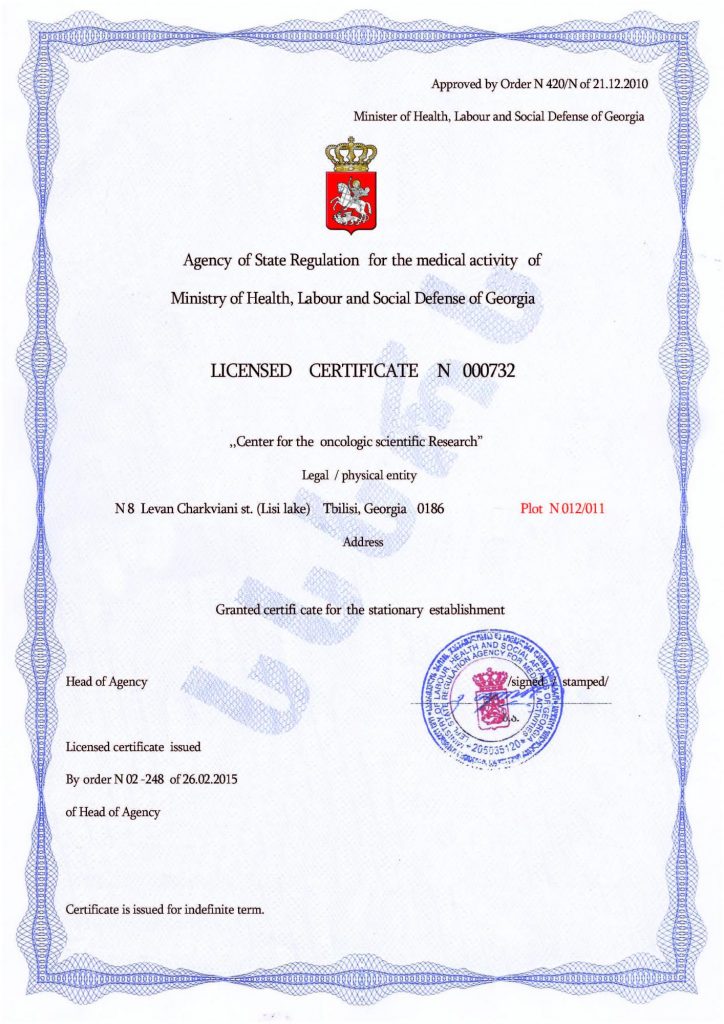
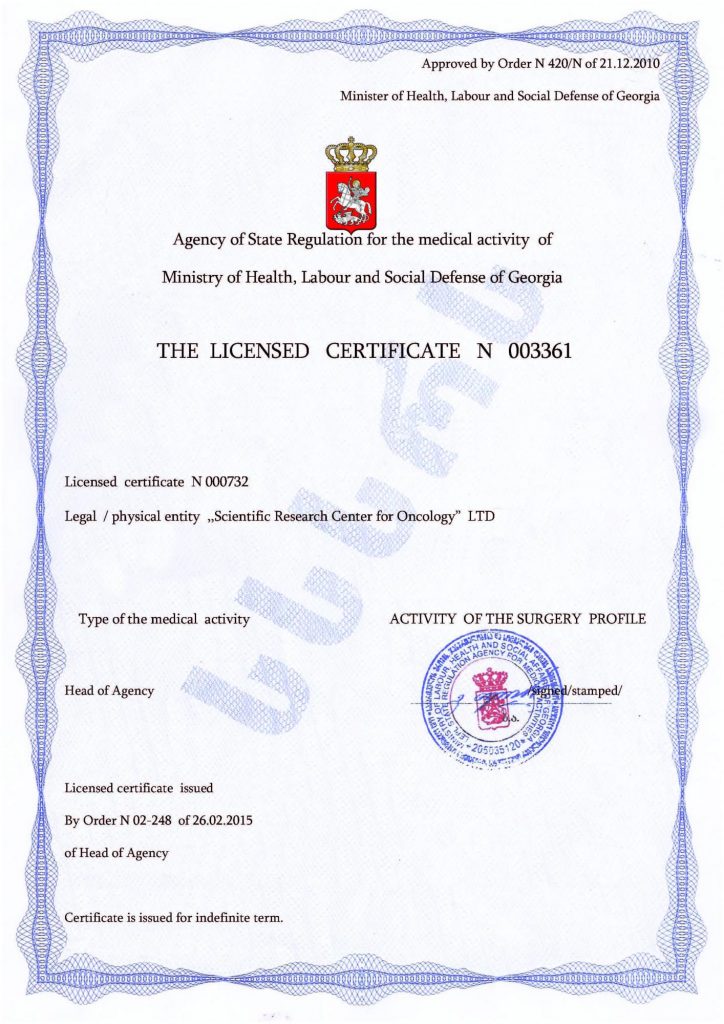
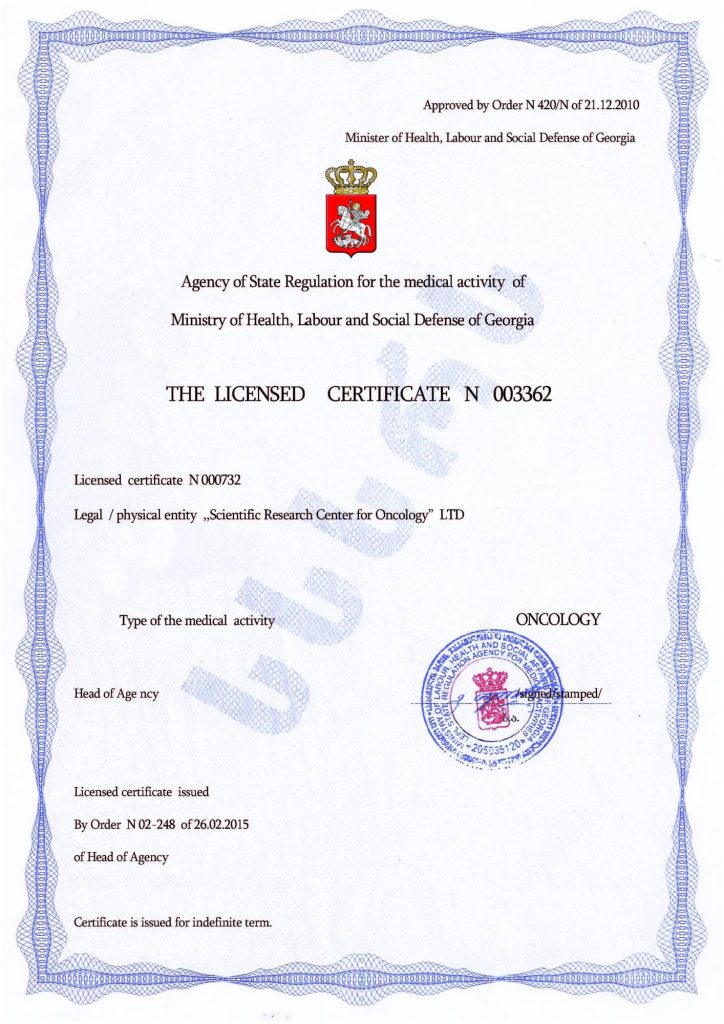
Certificates And Licenses