







A Child with Autism and Books: A Lifelong Passion
A deep passion for books can be a wonderful interest for a child with autism and, moreover, provide certain advantages. But much depends on the conditions in which this interest develops and how intense it is.
Understanding the Reasons Behind the Irresistible Attraction to Literature
- Predictability and Control
Most stories (except those with so-called open endings) have a structure — a beginning, middle, and end. Characters behave consistently within the plot. This predictability is calming in a world that can seem overwhelming and unpredictable. - Deep Concentration and Attention to Detail
Typical of many autistic individuals is the ability to focus intensely on topics of interest. Books offer endless details to absorb — facts, vocabulary, character nuances, complex plots, and fictional worlds. - Sensory Self-Regulation
Reading can be a soothing activity that provides a controlled sensory environment, characterized by a visual focus, silence, and the familiar tactile sensation of paper pages or electronic screens. - Escape and Exploration
Autistic individuals often seek to escape reality and explore the world and relationships in a safe setting. Books allow them to study complex emotions, social situations, and “visit” imaginary worlds without direct sensory or social demands found in real life. - Obsession with the Subject Matter
The fixation may be less about reading itself and more about the theme. Books become a primary source of information about their “special interest.” - Language and Social Learning
For some, books are a way to master language, learn typical social interaction patterns, and rules of communication, even if applying these skills in reality is difficult. This obsession offers advantages such as:
- Development of language and vocabulary;
- Acquisition of expert-level knowledge in areas of interest;
- Literacy skills development, including reading fluency, comprehension, and critical thinking;
- Indirect exploration and recognition of one’s own and others’ emotions;
- Mastery of coping mechanisms, serving as a reliable source of comfort and stress relief;
- Knowledge acquisition that, like a “special interest,” forms a core part of identity and fosters pride;
- Formation of skills that could lead to careers in literature, research, librarianship, academia, publishing, or fields related to specific interests.
Potential Challenges
However, there can be difficulties. Rigidity of thinking may show as a desire to read the same book repeatedly while other genres or topics fail to attract interest. Reading might replace real social interaction or lead to insisting on discussing only their book preferences without regard for others’ opinions. Problems may arise with understanding metaphors, sarcasm, or hidden meanings, as well as sensory overload from visiting libraries or bookstores. Excessive reading at the expense of eating, sleeping, hygiene, schoolwork, physical activity, or other essential tasks is also problematic.
Support Strategies
When choosing support strategies, the main focus should be creating opportunities for appropriate expression of the “special interest.” Reading should serve as a foundation for developing other skills and gaining experience, not an end in itself. More importantly, excessive obsession with reading is not simply a personal preference but a consequence of autism — a neurodevelopmental disorder characterized by other more serious symptoms.
Cell Therapy: A Modern Approach to Autism
Currently, the most effective and fastest way to address the neurological root cause is cell therapy — an innovative technology far surpassing earlier methods. It involves transplanting stem cells taken from the patient, eliminating the risk of rejection due to immune response. The procedure is not only safe but also natural, stimulating the body’s innate regenerative capabilities instead of relying on drugs or psychological interventions.
The uniqueness of stem cells lies in their ability to transform into any other cell type. When their numbers increase sufficiently, they replace damaged cells that interfere with proper information processing and appropriate responses to stimuli. As a result, the brain and nervous system begin to function as intended by nature, behavior normalizes, skill development and mastery accelerate, and autism symptoms become less pronounced or disappear entirely. These positive outcomes are long-lasting and often lifelong, enhancing the effectiveness of additional corrective measures.
Thanks to proven effectiveness, cell therapy is no longer considered experimental. It has gained broad recognition and may become the main method for combating autism and its symptoms. It is practiced in leading clinics worldwide, including the Mardaleishvili Medical Center, which has accumulated extensive successful experience in stem cell transplantation. Highly qualified physicians use state-of-the-art equipment to achieve the best possible therapeutic outcomes. Treatment meets the strictest international standards and is more affordable than in other countries with advanced healthcare systems. Additionally, comprehensive support is provided for travel planning and other matters, including accommodation during rehabilitation.
Take advantage of cell therapy — and “special interests” will no longer be a burden!
Autism Treatment Center Videos
Autism treatment with own stem cells
Cord blood association congress
International Quality Crown
Autism Treatment Reviews
Autism treatment with own stem cells
The story of Alessandro (6 years old)
Autism Patient Testimonial - Stem Cell Treatment
Clients Testimonials

Lidiya — Elina’s mother Read More

Anna – Sasha’s mother Read More

Amirkhon’s father — Tokhir Read More

Dilana’s mother Read More

Irina and Stefan – Ilya’s parents Read More

Kristina – mother of Nelly and Nik Read More
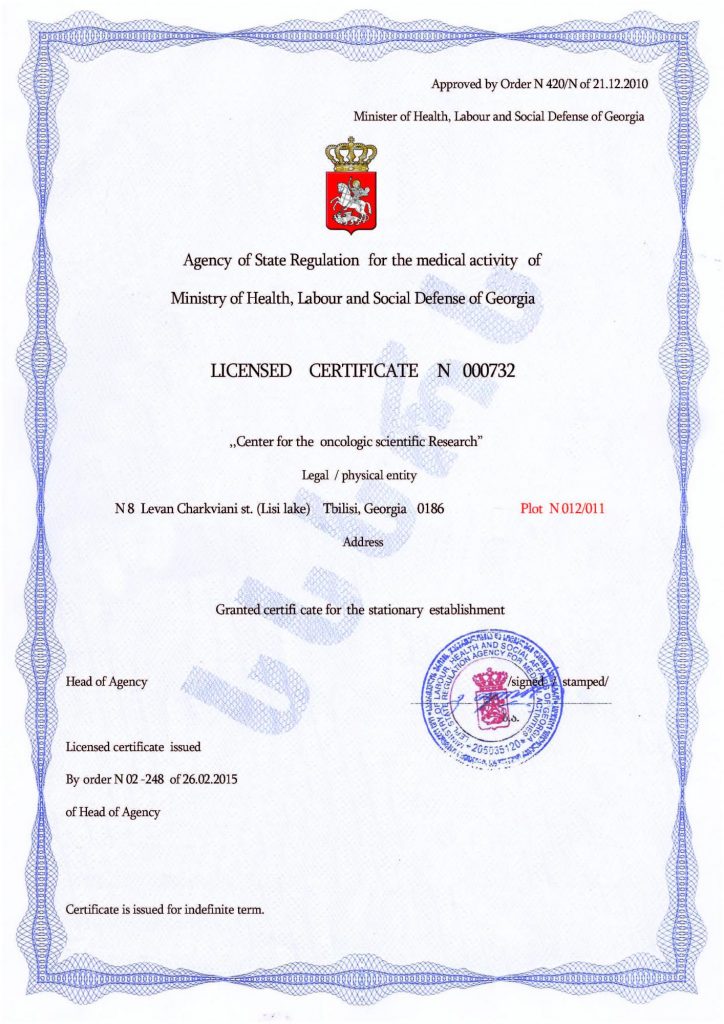
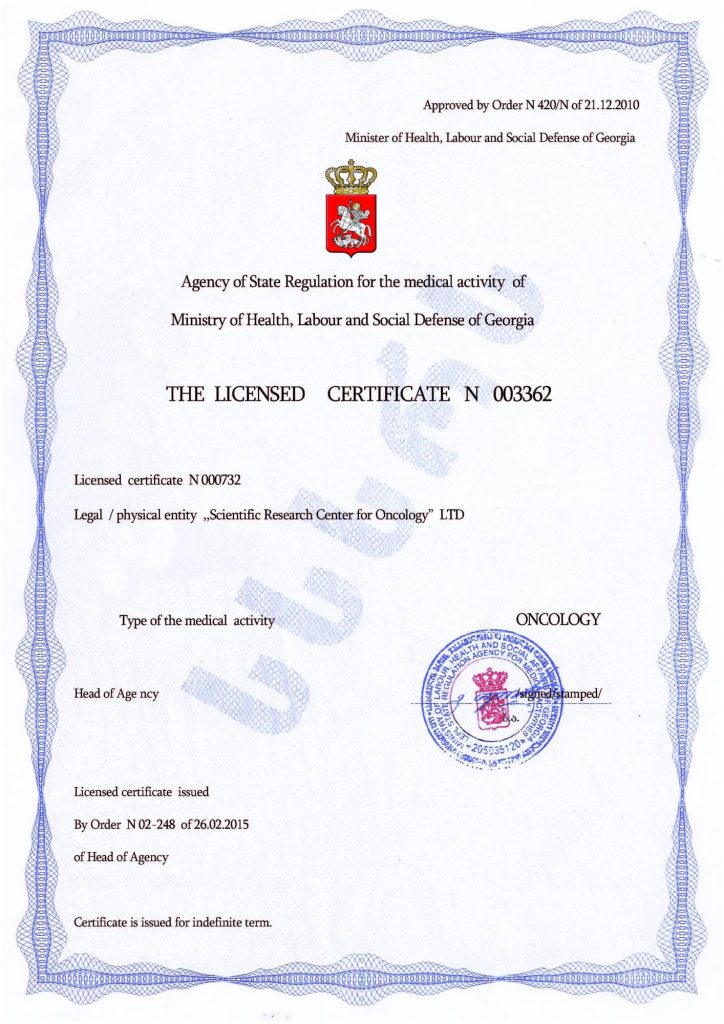
Certificates And Licenses