








A Ticking Hobby: Clocks and
Autism and the Fascination with Obsessive Counting
Autistic children are often characterized not only by the development of “special interests” marked by excessive intensity but also by restricted and repetitive patterns of behavior (RRBs). The urge to count everything within a child’s field of vision can be both — a special interest and an RRB. It may provide comfort, predictability, or sensory self-regulation, but without proper oversight, it can evolve into an obsession. That’s why a well-thought-out strategy is important to support the child and safeguard their well-being.
- Understanding the Importance of Counting
Counting can serve several vital functions:
- Reducing anxiety — counting helps a child manage sensory overload in chaotic environments.
- Creating predictability — repetitive counting introduces order into an unpredictable world.
- Sensory stimulation — the rhythm of counting, especially when done aloud, can have a calming effect.
- Communication — for children with limited verbal skills, counting may express either joy or distress.
- When Professional Help Is Needed
Intervention from an occupational therapist, speech therapist, or ABA specialist is recommended or necessary if counting:
- Interferes with learning, eating, or sleep
- Triggers distress when interrupted
- Replaces social interaction or daily functioning
- Leads to rigidity — for example, meltdowns when a number is missed
- Supporting the Child’s Interest Constructively
To integrate this interest into development, caregivers can:
- Use counting in math games, timers, or visual schedules
- Teach money skills, cooking measurements, and calendar tracking
It’s important to gently set time boundaries — for instance, allowing the child to count for five minutes before moving on to reading. Count-related activities can be limited to specific environments, such as the child’s room. Sensory alternatives can also help — including fidget toys, musical instruments, or apps like Endless Numbers.
Counting can become a tool for socialization — such as during games like hopscotch. Visual aids may be useful too; a card labeled “counting break” can help the child regulate behavior. Social stories can teach where and when counting is appropriate.
Therapeutic Support
- Occupational therapy addresses sensory needs
- ABA therapy builds cognitive flexibility
- Speech therapy enhances communication skills for expressing needs
It’s worth noting that talents in STEM fields often begin with interests like counting. This skill can be further developed through:
- Math puzzles
- Educational games (including basic programming)
- Counting natural objects (like leaves or stars)
However, it’s crucial not to demand that the child stop counting without first offering an alternative that fulfills the same need. But ideally, such compensatory efforts may become unnecessary if the root cause — autism itself — is effectively addressed.
A Breakthrough Solution: Cell Therapy
Cell therapy offers a fast and effective way to reduce or eliminate the symptoms of autism, including fixations like obsessive counting. This innovative treatment involves transplanting stem cells — foundational biological elements capable of transforming into any type of cell and replacing damaged ones with healthy versions.
As a result, brain and nervous system functions normalize, behavior stabilizes, and development accelerates. Autism symptoms become less pronounced — and in many cases, disappear entirely. These improvements last a long time, often for life, significantly enhancing the effectiveness of complementary therapies.
Cell therapy is safe, as it uses the patient’s own stem cells, eliminating the risk of rejection. It’s also a natural approach, stimulating the body’s regenerative potential without medication.
Thanks to these benefits, cell therapy has already gained recognition as a leading method in treating autism and its manifestations — and may soon become the primary approach. Currently, only top medical centers around the world offer this advanced therapy, including the Mardaleishvili Medical Center.
Here, highly qualified doctors with extensive experience in stem cell transplantation use the latest equipment to achieve the best therapeutic outcomes. Treatment quality meets the highest international standards, while costs are more affordable than in many other countries with developed healthcare systems. An added convenience is the comprehensive support available throughout — from trip planning to assistance with accommodation during the rehabilitation period.
Cell Therapy — A Reliable Way to Leave Autism and Its Symptoms Behind!
Fascination with Them in Autism
Clocks as a Special Interest in Autism
An intense interest in clocks among some individuals with autism is often a manifestation of restricted and repetitive patterns of behavior (RRBs) — one of the core features of autism spectrum disorders. These fixations usually serve specific psychological or sensory functions, but their impact is often broader than it may seem.
- Why Clocks?
Several factors contribute to the unique appeal of clocks for autistic individuals:
- Order and Predictability
Well-functioning clocks operate in a stable, precise manner. This regularity offers comfort — especially in contrast to the chaos of the outside world. The rhythmic motion of the hands and their alignment with a fixed sequence of numbers satisfy the deep need for predictability. - Sensory Appeal
Visual stimuli (like moving clock hands) and auditory stimuli (ticking sounds) can have a calming effect. For children with sensory processing differences, clocks provide a controlled and soothing form of sensory input. - Understanding Time
Time perception is often atypical in autistic individuals. Research shows they may struggle to assess time intervals accurately. Clocks become tangible tools that help them interpret the abstract concept of time.
Obsession vs. Interest
Unlike typical hobbies, fixations like this tend to dominate daily life. A child may become distressed if not allowed to look at clocks or might talk excessively about time. This behavior can interfere with learning and socialization, and often coexists with other RRBs — such as lining up objects or rigid adherence to routines.
The Positive Side
Despite potential challenges, this interest can be used for developmental gains. Clocks can help children learn:
- Numbers and sequencing
- Cause-and-effect relationships
- Self-regulation, as watching the hands move can reduce anxiety
To prevent fixation from escalating into obsession, experts suggest offering sensory substitutes — toys with rotating elements, such as spinning tops.
Coping Mechanism and Developmental Potential
A child’s fixation on clocks often reflects an attempt to adapt to sensory and cognitive peculiarities. Monitoring for potential issues is important, but supporting the interest can increase a child’s sense of safety and control.
Moreover, this hobby could evolve into a deeper passion for engineering, mechanics, programming, or design, unlocking hidden talents.
However, when the fixation begins to negatively affect behavior or daily functioning, therapies like ABA (Applied Behavior Analysis) can help correct harmful behavior patterns. Occupational therapy may improve sensory processing and motor coordination.
Moving Beyond Partial Solutions
While traditional therapies are beneficial, they often require significant time and may offer only partial relief. Fortunately, a much more effective and innovative alternative has recently emerged — cell therapy, which can significantly reduce or even eliminate symptoms of autism in a short period of time.
This minimally invasive procedure involves transplanting the patient’s own stem cells — the body’s basic building blocks — which can develop into any type of cell. They identify damaged cells and replace them with healthy equivalents.
Because the patient’s own biomaterial is used, there is no risk of rejection. The therapy is entirely natural, as it stimulates the body’s own regenerative abilities without medication.
As a result:
- Brain and nervous system function is restored
- Behavior becomes more stable and predictable
- Development speeds up
- Skills are acquired or improved more efficiently
- Autism symptoms diminish — and in many cases, disappear completely
These outcomes are long-lasting and often permanent, significantly increasing the success of other correctional therapies.
Cell therapy is already gaining recognition as a powerful method for treating autism and may become the primary approach in the future. Currently, only a few of the world’s leading clinics use this advanced technique.
Among them is the Mardaleishvili Medical Center, staffed by highly qualified professionals with extensive experience in stem cell transplantation. Equipped with cutting-edge medical technology, the clinic delivers the best possible therapeutic results.
Its services meet the highest international standards, while treatment remains more financially accessible than in many developed countries. Additionally, the center provides full support at all stages — from travel planning to accommodation during the rehabilitation period.
Cell Therapy — A Modern Solution to the Challenges of Autism!
Autism Treatment Center Videos
Autism treatment with own stem cells
Cord blood association congress
International Quality Crown
Autism Treatment Reviews
Autism treatment with own stem cells
The story of Alessandro (6 years old)
Autism Patient Testimonial - Stem Cell Treatment
Clients Testimonials

Feedback from Tatyana, Mekan’s mother (5 years old) Read More

Lidiya — Elina’s mother Read More

Anna – Sasha’s mother Read More

Amirkhon’s father — Tokhir Read More

Dilana’s mother Read More

Irina and Stefan – Ilya’s parents Read More
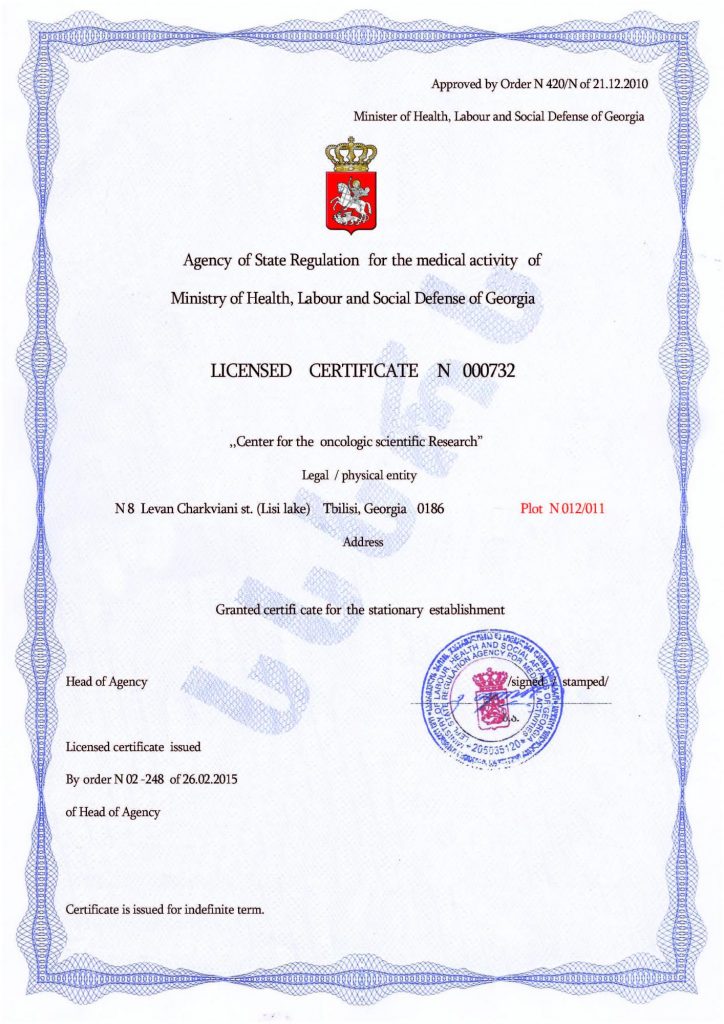
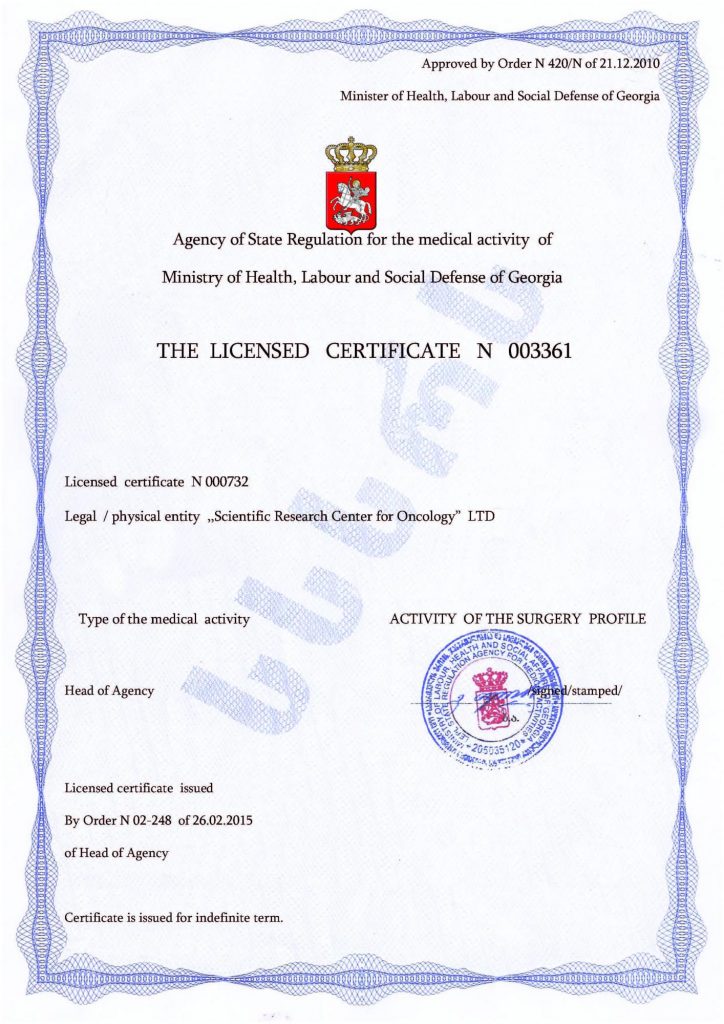
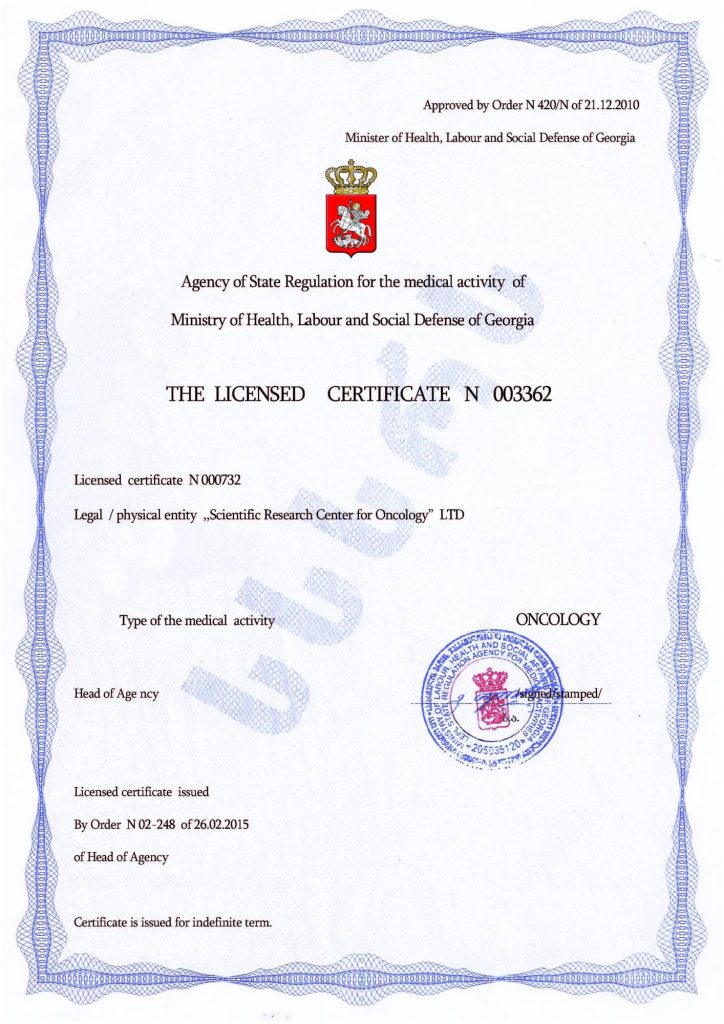
Certificates And Licenses