






The Use of Puzzles in Autism
A Bit of History
In 1963, the British organization National Autistic Society first used a puzzle piece as its logo. The image of a crying child inside the piece symbolized the mystery of autism, feelings of isolation, and the struggle to “fit in” with society. Today, the puzzle piece represents the complexity of the brain and the diversity of autism spectrum disorders. However, some autistic individuals criticize the symbol for oversimplifying the condition, suggesting alternatives such as the rainbow infinity sign.
Therapeutic and Developmental Benefits of Puzzles in Autism
Puzzles play an important role in building and strengthening several essential skills in children with autism:
- Spatial Thinking
Helps children analyze shapes, sizes, and the relative positions of objects, improving spatial awareness and logic. - Fine Motor Skills
Manipulating puzzle pieces trains hand precision, coordination, and hand-eye integration. - Communication and Language Development
Talking about the puzzle during assembly expands vocabulary and encourages understanding of cause and effect. - Emotional Regulation
Successfully completing a puzzle can reduce anxiety, instill a sense of control, and provide satisfaction from achievement.
Practical Techniques for Using Puzzles with Children on the Spectrum
- Step-by-Step Learning
Begin with simple images cut into 2–4 pieces, using both verbal and physical cues (such as showing the finished image). - Gradual Complexity
Increase difficulty by adding diagonal cuts, reducing piece size, and introducing more complex images (landscapes, animals). Gradually increase piece count from 6 up to 360 while providing fewer hints. - Positive Reinforcement
Use a reward system (e.g., tokens or praise) to encourage engagement and persistence. - Routine Integration
Puzzles can become part of daily life — for example, used as a structured activity during travel or waiting times.
Individualization Is Key
Not all children with ASD are naturally drawn to puzzles. It’s essential to choose materials that match their sensory preferences (e.g., wooden or soft pieces) and interests (e.g., animals, vehicles). Puzzles should be assembled together with the child, accompanied by commentary to stimulate speech and communication. This interaction also promotes socialization. If a child loses interest due to excessive difficulty, the task should be simplified. If it’s too easy, more pieces or complexity should be added.
Alternatives to Classic Puzzles
There are also 3D construction sets and digital puzzles available for children who are sensitive to tactile sensations, offering other ways to engage with similar skills.
Overall, puzzles are an effective tool for developmental support in children with autism, especially when combined with other methods like sensory integration or ABA therapy. Systematic puzzle activities can help build various skills and encourage positive, independent engagement. Puzzles can promote patience, fine motor development, and attention while sparking interest in the world around the child. However, while puzzles are helpful, they cannot cure autism or eliminate its root causes, such as developmental delays or behavioral challenges.
Cell Therapy: A Transformational Approach to Autism Treatment
The most effective way to significantly improve outcomes for children with autism today is cell therapy — an innovative approach with far greater impact than traditional methods.
This technique involves the transplantation of stem cells, which are the building blocks of all tissues in the body. These cells are unique in their ability to transform into any other type of cell, replacing damaged ones with healthy counterparts. Using the patient’s own stem cells eliminates the risk of rejection and ensures the procedure is completely safe. Since cell therapy only stimulates the body’s natural regenerative potential, it is also the most natural form of intervention.
Noticeable Improvements After Transplantation
Soon after transplantation, many children experience positive changes: improved brain and nervous system function, more stable behavior, accelerated development, and a reduction or complete disappearance of autism symptoms. These results often last for years — and in many cases, for life — significantly increasing the effectiveness of additional supportive therapies.
An Emerging Standard of Care
Cell therapy is already recognized as a legitimate and promising treatment for autism and could soon become the standard approach. Currently, it is available in a select number of top clinics around the world — including the Mardaleishvili Medical Center, known for its highly qualified specialists with extensive successful experience in stem cell transplantation. The center uses the latest equipment to deliver the best possible therapeutic outcomes.
The level of care meets the highest international standards, and notably, it is more financially accessible than in many other countries with advanced healthcare systems. Additionally, comprehensive support is available during the planning phase — including help with travel arrangements and accommodation during the rehabilitation period, if needed.
Complete the feedback form — every child deserves a healthy, fulfilling life!
Autism Treatment Center Videos
Autism treatment with own stem cells
Cord blood association congress
International Quality Crown
Autism Treatment Reviews
Autism treatment with own stem cells
The story of Alessandro (6 years old)
Autism Patient Testimonial - Stem Cell Treatment
Clients Testimonials

Feedback from Tatyana, Mekan’s mother (5 years old) Read More

Lidiya — Elina’s mother Read More

Anna – Sasha’s mother Read More

Amirkhon’s father — Tokhir Read More
Dilana’s mother Read More

Irina and Stefan – Ilya’s parents Read More
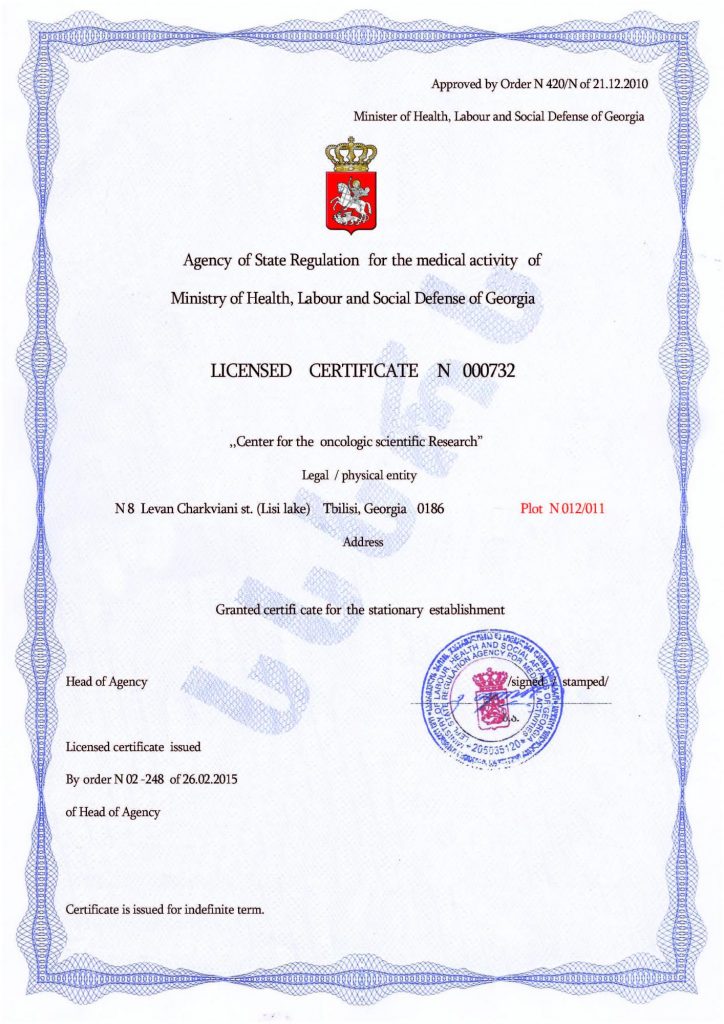
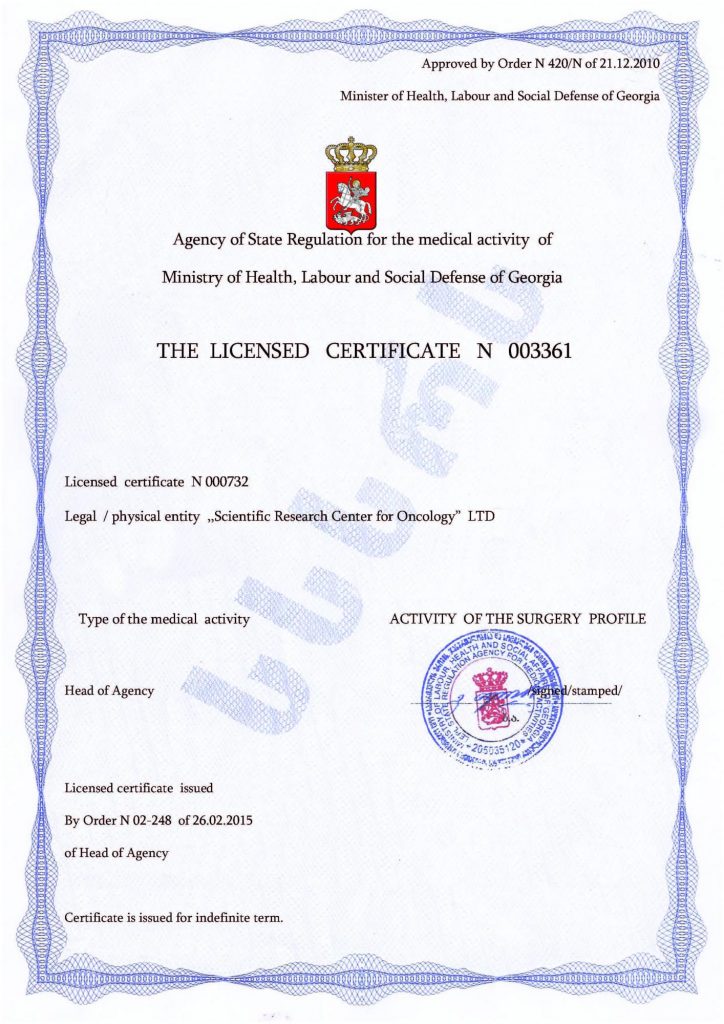
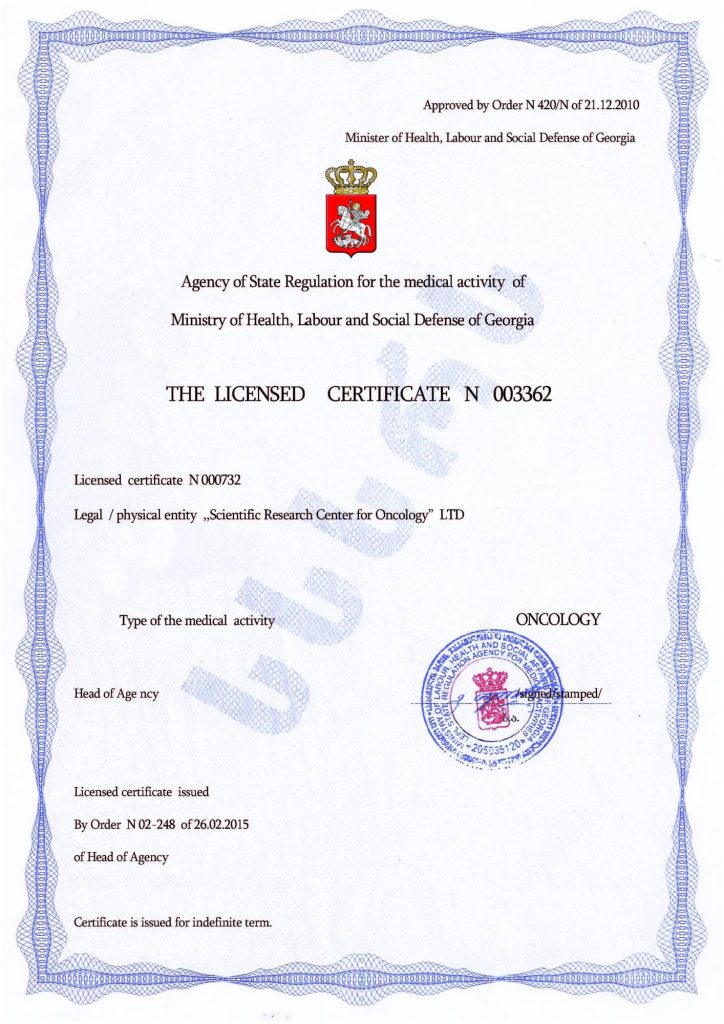
Certificates And Licenses