








Construction Sets as Support for Children with Autism
Using construction sets in the development and education of children with autism spectrum disorders can be extremely beneficial. These are far more than just toys — they are powerful, versatile tools that combine structure, sensory stimulation, and opportunities for social interaction. As a result, there are numerous approaches and techniques designed to make the most of their potential.
- Key Elements of LEGO Therapy (Structured Building) in Autism
• Communication Development: Building models together from instructions teaches children to take turns, share pieces, and work as a team. It helps them develop listening skills and joint attention.
• Cognitive Skills: Following building instructions enhances spatial thinking, and the ability to analyze shapes and colors. Children learn to compare parts, predict steps, and follow a plan. - Phrase-Building Sets for Speech Development
This method involves multi-step learning:
• Stage 1: Forming simple two-word sentences like “Mom sleeps” using image cards or photos.
• Stage 2: Adding complements such as “Who? What is doing?” — e.g., “The boy builds a house.”
• Stage 3: Introducing prepositions — “The cat sits on the chair.”
Visual diagrams with pictograms help children understand sentence structure and describe real-life situations. - Sensory-Motor Construction Sets
• Deep pressure tools help reduce anxiety and improve focus before learning sessions.
• Games with natural materials — such as sand or grains.
• Sorting building parts in sand or other textured substances.
• Sensory boxes with LEGO elements stimulate tactile perception. - Social Stories Through Construction
• Books About the Child: Creating photo albums or LEGO models that represent real-life events (like a walk or visiting family) helps the child process social experiences and develop empathy.
• Role-playing Games: Building hospitals, stores, or schools with construction sets and acting out real-life scenarios such as “visiting the doctor” or “grocery shopping.” - Key Principles of Working with Construction Sets
• Individualization: Choose sets based on the child’s sensory preferences. For example, avoid bright colors if the child is hypersensitive.
• Step-by-Step Progression: Start with simple tasks (sorting pieces) and move to more complex ones (independent design).
• Visual Support: Use visual instructions (pictures or videos) instead of verbal explanations.
• Reinforcing Interests: Use the child’s favorite themes (like dinosaurs or trains) to increase motivation.
Potential Risks and How to Avoid Them
• Sensory Overload: Bright LEGO pieces or noisy group activities can cause stress. Introduce new elements gradually.
• Repetitive Behaviors: If the child insists on repeating the same actions, slowly vary the play conditions — for example, by changing the color of the structure.
Construction sets for autistic children are most effective when they combine predictability with flexibility. LEGO builds cognitive skills, phrase-building sets develop speech, and sensory tools support self-regulation. Success depends on making these activities a regular part of the child’s daily routine, starting with 5–10 minutes per session.
However, it’s important to remember that these activities, while beneficial, do not address the root causes of autism. That goal can be approached more quickly and effectively with cell therapy — an innovative method that has shown significantly higher success rates compared to traditional and experimental approaches.
Cell Therapy for Autism: A Modern Breakthrough
This method is based on the use of stem cells taken from the patient, which eliminates the risk of rejection after transplantation. The therapy activates the body’s own regenerative capacities, making it a natural and gentle procedure.
Stem cells have the unique ability to transform into any type of cell. When transplanted, they begin replacing damaged cells with healthy ones, correcting disruptions in perception and behavior. Shortly after the procedure, noticeable improvements can be seen — brain and nervous system functions normalize, behavior becomes more stable and predictable, overall development accelerates, and hypersensitivity along with other autism symptoms become less pronounced or even disappear.
These are long-term results, often lasting a lifetime, which significantly increases the effectiveness of additional therapies and interventions.
While stem cell therapy was once viewed as experimental, it is now a globally recognized approach to managing autism and its symptoms — and may become the leading treatment in the future. It is already in use at top clinics around the world, including the Mardaleishvili Medical Center.
This center is staffed by highly qualified doctors with extensive experience in stem cell transplantation. They use cutting-edge equipment to achieve the most positive therapeutic outcomes. The care provided meets the highest international standards and is more affordable than similar services in other countries with advanced healthcare systems.
In addition, the center offers comprehensive support for travel arrangements, accommodation during rehabilitation, and other logistics.
Fill out the feedback form — and construction sets will become more than just a game for your child!
Autism Treatment Center Videos
Autism treatment with own stem cells
Cord blood association congress
International Quality Crown
Autism Treatment Reviews
Autism treatment with own stem cells
The story of Alessandro (6 years old)
Autism Patient Testimonial - Stem Cell Treatment
Clients Testimonials

Feedback from Tatyana, Mekan’s mother (5 years old) Read More

Lidiya — Elina’s mother Read More

Anna – Sasha’s mother Read More

Amirkhon’s father — Tokhir Read More

Dilana’s mother Read More

Irina and Stefan – Ilya’s parents Read More
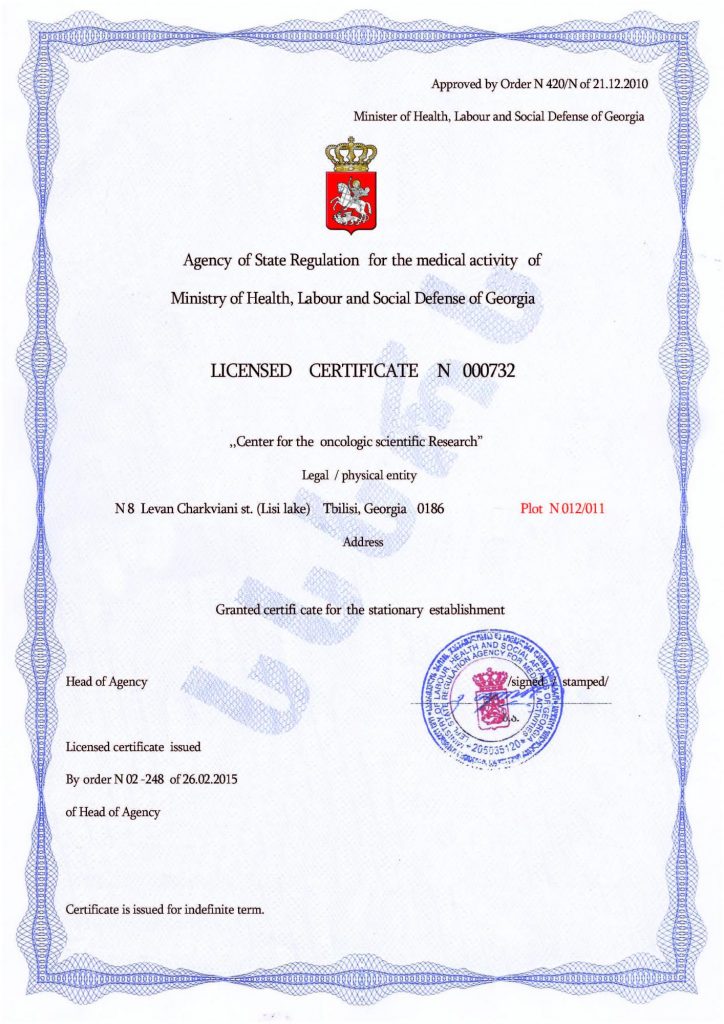
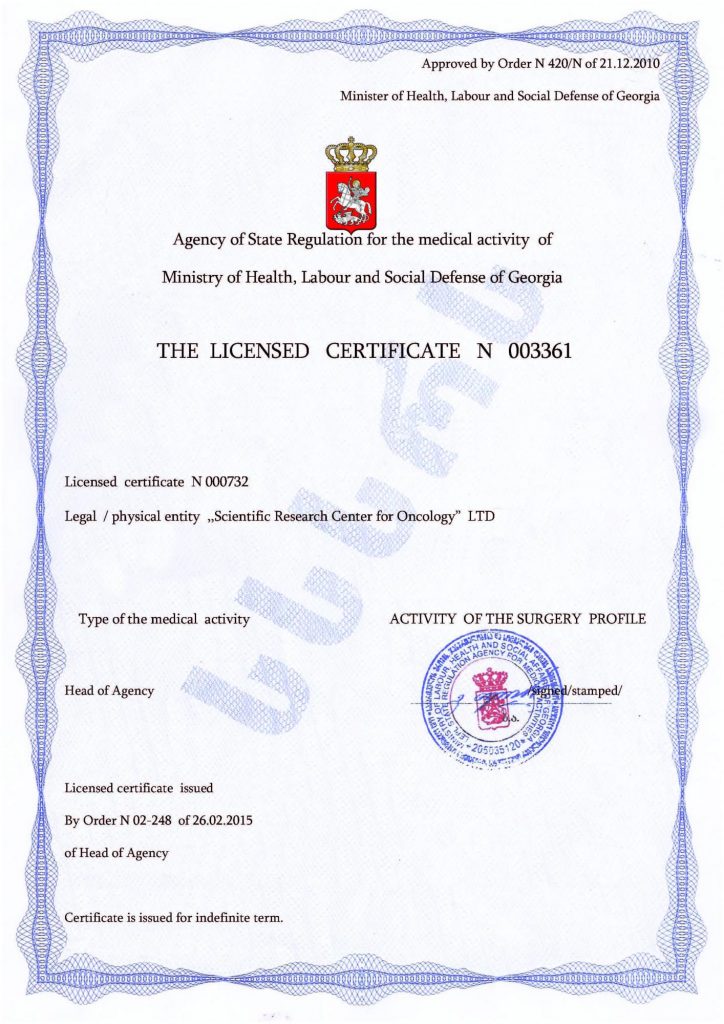
Certificates And Licenses