








An Autistic Person in Front of a Mirror
There is indeed a connection between autism spectrum disorder (ASD) and fascination with mirrors, and it may be обусловлено by a whole range of sensory, cognitive, and behavioral characteristics.
- Visual sensory stimulation (stimming) is necessary for many autistic people because of their particular sensory needs. A mirror provides a unique visual experience.
- The captivating effect is associated with the play of light, reflections, and the illusion of space, which can have a calming effect or, conversely, hold attention as a powerful visual stimulus.
- The controllability of the situation is also important. Unlike people and communication with them, a reflection is predictable. It completely repeats the person’s own movements, and this provides a sense of control and safety.
- One of the key characteristics of autism is difficulty with social interaction and nonverbal communication. A mirror can be used as a training tool for studying social signals and facial expressions.
- A person can observe their facial expression, trying to understand what different emotions look like (sadness, happiness, surprise), which an autistic person may find difficult to recognize in others.
- It is a way to “see oneself from the outside,” understand how the body looks in space, and how other people perceive it (even if this is difficult to do intuitively).
- Some autistic people have difficulty forming an integrated perception of their own body (body schema). A mirror helps them explore their own body and identity.
- It provides an opportunity to connect tactile sensations during movement with visual confirmation.
- It is equally important to learn to recognize the boundaries of one’s body, especially when there are problems with proprioception (the sense of the position of body parts in space).
- There is a theory (although it is not the only explanation) that in some autistic people, the functioning of “mirror neurons” may be organized differently — these are brain cells that become active both when we do something ourselves and when we observe someone else doing it. Observing oneself in a mirror may be a special, less anxiety-provoking way for the brain to process information about movements and actions.
- Autistic children generally like order and rituals. If the action of “looking in the mirror” once becomes established as part of a particular ritual (for example, before leaving the house or after washing their hands), it may be repeated very persistently.
Parents should take several nuances into account.
- Fascination with looking in the mirror is not, by itself, a diagnostic sign and does not indicate autism. Many neurotypical children also go through a stage of active interest in their reflection at one age or another.
- The opposite situation also occurs, when an autistic person avoids mirrors. This may be related to hypersensitivity to visual stimuli (especially in bright light, when there is an excess of information), sensory overload, or fear of a “double.”
Thus, fascination with mirrors is often not simply playful behavior, but a functional activity that helps regulate sensory input, calm down, or better understand oneself and the surrounding world. However, solving such issues may not be necessary if they are not associated with overcoming particular difficulties. The source of these difficulties is autism spectrum disorder itself, which can manifest in highly individual ways. Nevertheless, there is a standardized way to stabilize and normalize a child’s condition, namely cell therapy.
This is a modern method that, as scientists have convincingly demonstrated, is reliable, safe, more effective than previously developed methods, and provides faster and longer-lasting results. Its essence lies in the transplantation of stem cells — the basic “building blocks” of the body — which are taken from the patient themselves, thereby eliminating rejection.
A unique characteristic of these cells is their ability to transform into any other specialized cells that make up individual organs. Following the transplantation procedure, they replace damaged brain cells that provide distorted information, which is associated with behavioral disorders, developmental delays, and problems with developing even the most basic skills. Positive changes become noticeable after a relatively short period of time.
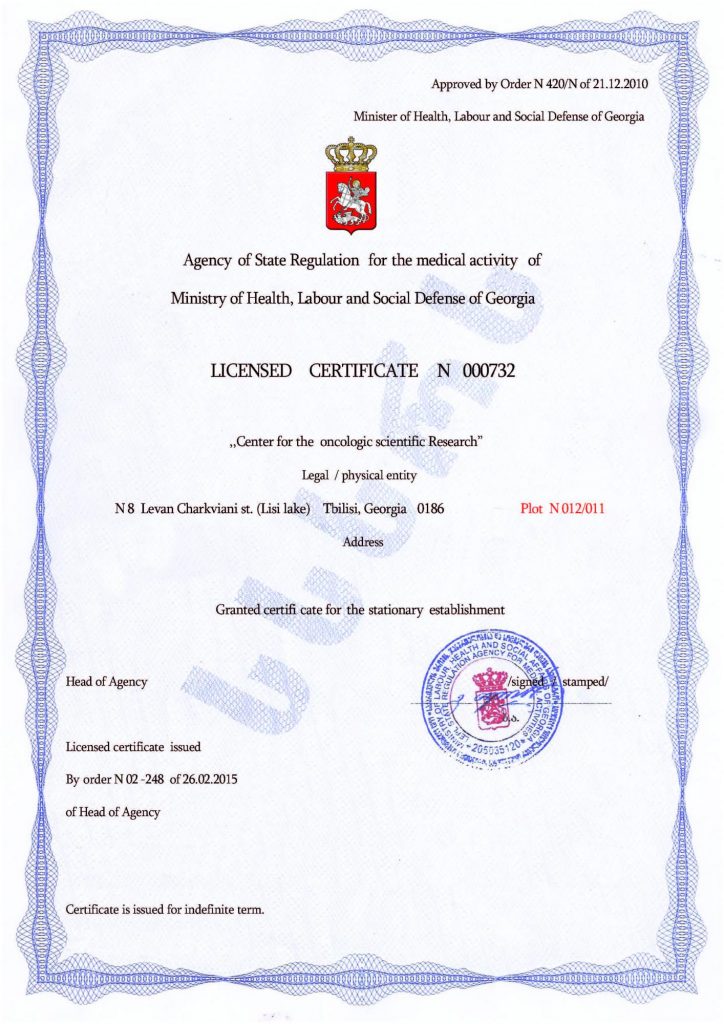
Nowadays, cell therapy has become not an experimental but a generally recognized approach, implemented in leading clinics around the world, including Mardaleishvili Medical Center. Its highly qualified doctors, who are engaged not only in practical work but also in scientific research, have accumulated extensive successful experience in applying this innovative technology and have access to the most modern equipment, helping to achieve optimal treatment results carried out in accordance with the strictest international standards. At the same time, the cost of the center’s services is lower than in other countries with modern healthcare systems. Another advantage from the patients’ perspective is the assistance provided even at the initial stages — from planning the trip and arranging accommodation during the transplantation and rehabilitation period.
Take advantage of cell therapy — it is a chance to look in the mirror “just because”!
Autism Treatment Center Videos
Autism treatment with own stem cells
Cord blood association congress
International Quality Crown
Autism Treatment Reviews
Autism treatment with own stem cells
The story of Alessandro (6 years old)
Autism Patient Testimonial - Stem Cell Treatment
Clients Testimonials

Feedback from Tatyana, Mekan’s mother (5 years old) Read More

Lidiya — Elina’s mother Read More

Anna – Sasha’s mother Read More

Amirkhon’s father — Tokhir Read More

Dilana’s mother Read More

Irina and Stefan – Ilya’s parents Read More
Certificates And Licenses