







What Brings Happiness to a Child with Autism?
Individual differences aside, there are some general principles that contribute to a deep sense of satisfaction with oneself and the surrounding world. Autistic children are generally not overly demanding in this regard — happiness often comes from feeling safe, being in predictable environments, avoiding sensory discomfort, engaging in “special interests,” and demonstrating autonomy. Key factors that promote happiness include:
- Predictability and routine — Knowing what will happen next reduces anxiety and creates a sense of security. Tools like consistent daily schedules, visual timetables, advance warnings of changes, visits to familiar places, and interaction with known people help establish a predictable environment.
- Special interests — Any topic that deeply engages the child can bring joy, foster concentration, and build confidence. Allocating structured time for these interests and showing interest in their achievements enhances satisfaction. Related activities can be integrated into learning or daily routines to expand the benefits.
- Sensory comfort and pleasure — Autistic children often perceive sensory input more intensely. Providing a comfortable sensory environment — such as quiet spaces, dim lighting, preferred clothing, soft textures, deep pressure (weighted blankets, hugs if liked), favorite smells, or activities like swinging, spinning, jumping, playing with water or sand, listening to music, watching lights and patterns, or tasting favorite foods — enhances happiness.
- Autonomy — Having control over small choices (e.g., choosing between a red or blue cup), calmly handling refusals, and allowing children to do things in their own way in safe contexts strengthens confidence and satisfaction.
- Acceptance and understanding — When a child feels understood and accepted, they can stop masking behaviors like stimming, avoiding eye contact, or seeking solitude. Respecting their communication style — verbal, augmented, or gestures — without forcing social interactions increases comfort and genuine joy.
- Achievement and skill mastery — Successfully completing tasks or mastering skills brings great satisfaction. Providing achievable challenges related to the child’s abilities, breaking them into smaller steps, and praising even small successes encourages progress. Repetition and practice accelerate skill acquisition.
- Genuine social interactions — While forced socialization may be undesirable, shared activities and games that align with the child’s interests foster communication skills and meaningful connections. Respecting the need for solitude and using clear, unambiguous expressions help build confidence in social settings.
- Absence of overload — Happiness is easier to experience when sensory or emotional stress is minimized. Reducing bright lights, providing noise reduction, allowing breaks, and respecting sensory boundaries support a calm environment.
Observing the child helps identify what naturally brings smiles, relaxation, or deep engagement. Individual preferences matter greatly — one child may enjoy loud music, while another finds it unpleasant. Prioritizing safety, predictability, and sensory regulation lays the foundation for authentic joy. Ultimately, happiness comes from an environment that respects the child’s needs and allows them to express their unique strengths.
Creating these conditions can be challenging, but the text suggests that the most reliable method is addressing the underlying cause — autism — through cell therapy. This procedure involves the transplantation of stem cells, which can differentiate into various cell types, replacing defective cells with healthy ones. The treatment is described as normalizing brain and nervous system function, stabilizing behavior, accelerating overall development, and reducing or eliminating autism symptoms.
The therapy is presented as safe, minimally invasive, and leveraging the body’s natural regenerative abilities, with broad recognition and application in leading clinics worldwide, including the Mardaleishvili Medical Center.
Cell therapy — the best chance to give a child true happiness!
Autism Treatment Center Videos
Autism treatment with own stem cells
Cord blood association congress
International Quality Crown
Autism Treatment Reviews
Autism treatment with own stem cells
The story of Alessandro (6 years old)
Autism Patient Testimonial - Stem Cell Treatment
Clients Testimonials

Feedback from Tatyana, Mekan’s mother (5 years old) Read More
Lidiya — Elina’s mother Read More
Anna – Sasha’s mother Read More

Amirkhon’s father — Tokhir Read More
Dilana’s mother Read More

Irina and Stefan – Ilya’s parents Read More
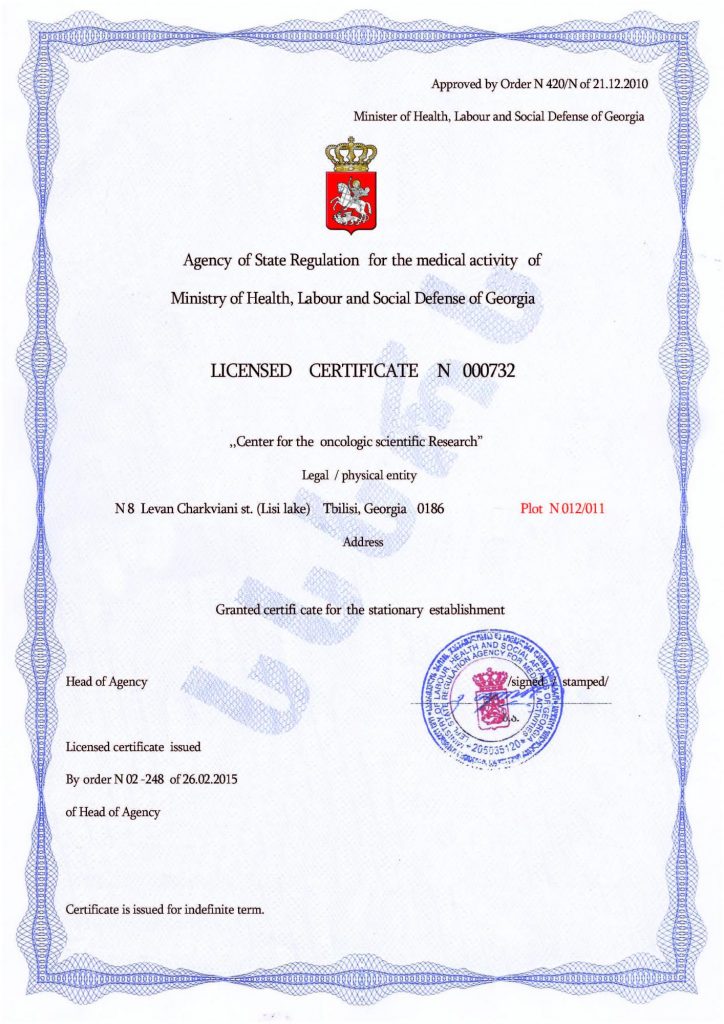
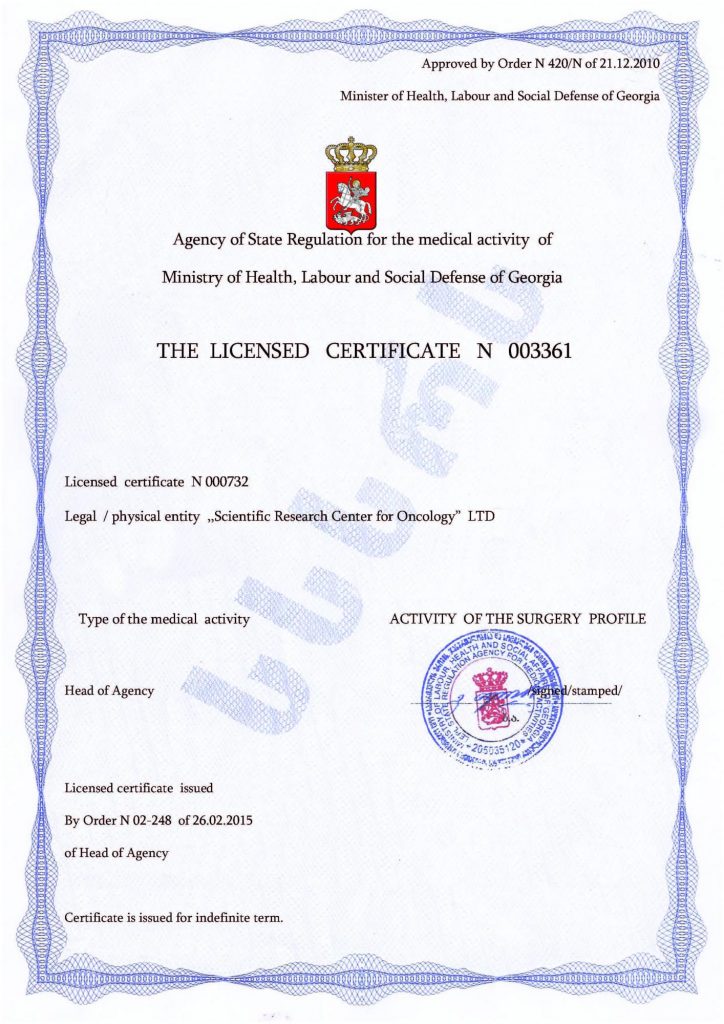
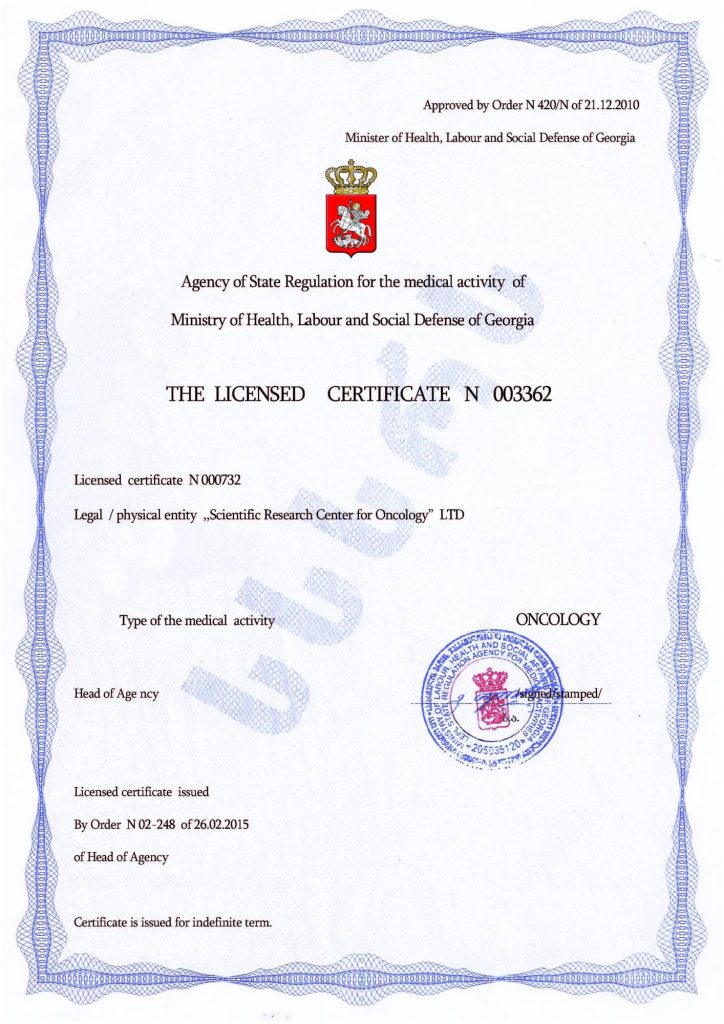
Certificates And Licenses