








What does an autistic person like or dislike?
Everyone makes choices between “likes” and “dislikes” based on personal views and experiences. These are shaped differently in every individual, while in autistic people they are also strongly influenced by unique individual characteristics, such as hypersensitivity. At the same time, certain patterns in preferences are often noticeable in autism and are connected with sensory perception, the need for predictability, and “special interests.”
A number of differences between autistic children and their neurotypical peers are related to comfort, predictability, and interests.
- An intense fascination with specific topics, objects, or phenomena, which may develop from an early age, brings a deep sense of satisfaction, joy, and predictability, while also allowing the child to feel independent. Engaging in these interests is calming and helps with self-regulation.
- Predictability is expressed through strict adherence to daily routines, the desire to know in advance what will happen next, following familiar routes, observing rituals, and performing actions in specific ways. All of this reduces anxiety by making the surrounding environment, rich in sensory stimuli and often impossible to predict, feel less chaotic.
- Sensory comfort through the search for certain sensations may involve favorite textures (soft blankets, smooth stones), deep pressure (weighted blankets, hugs, confined spaces), rhythmic movements (rocking, spinning, swinging), soothing sounds (white noise, specific music), visual stimuli (spinning objects, lights, bubbles), and preferred foods with a consistent taste or texture. These forms of sensory stimulation help organize and calm the nervous system and regulate its functioning.
- Autistic individuals often need solitude or controlled social interaction to restore energy. This may appear as a preference for playing alongside others without direct interaction, communication focused on a “special interest,” or spending short periods of time with trusted people. In general, ordinary social interaction can be exhausting for autistic people because of difficulties with understanding social cues, communication demands, and sensory input from others.
- The condition is also associated with a tendency to develop clear rules and follow logic, as well as a desire for concrete explanations about any issue. This provides structure and predictability, while ambiguity may lead to confusion and stress.
Negative reactions in autism, in turn, arise under the influence of various factors.
- Sensory overload is most often caused by loud and especially sudden sounds, bright or flickering lights, strong smells (perfumes, cleaning products, food), certain textures (clothing tags, rough fabrics, sticky or greasy food, unexpected touch), and chaotic visual environments, including cluttered or untidy spaces. Due to neurological characteristics, autistic individuals may perceive such sensory stimuli as painfully intense, overwhelming, and physically unpleasant.
- Such children also tend to dislike unpredictability and change. Unexpected disruptions to routines, switching activities, visiting unfamiliar places, interacting with people without prior preparation, and deviations from established rules can all create distress because of intense anxiety and a sense of losing control.
- Similar discomfort may arise from unstructured play, the need to maintain eye contact or understand sarcasm, idioms, and jokes, vague questions without a clear answer, and navigating complex social relationships. These situations require interpreting subtle and ambiguous signals, including nonverbal ones, which can be exhausting and difficult to understand, often resulting in anxiety.
- Food selectivity may develop due to rejection of certain foods because of their texture, taste, smell, or even color. Preferences may be highly specific, but they are generally linked to heightened sensory sensitivity, which makes certain food-related sensations unpleasant and sometimes even painful.
- Autistic individuals also often avoid physical contact, since unwanted hugs, kisses, or touches, even from familiar people, may be perceived as an invasion of personal space. They usually seek to control this space, while sensory sensitivity also plays a role in such situations.
- Finally, autistic people often dislike ambiguity and unclear expectations caused by vague wording, figurative expressions, and situations in which behavioral rules are uncertain. In such cases, children may experience confusion and anxiety because it is difficult for them to understand what is expected of them.
To reduce negative or distressing sensations as much as possible, it is first important to observe the child’s specific reactions, behavior, and verbal or nonverbal communication. This makes it possible to understand their unique characteristics, preferences, and dislikes, which are usually neurological necessities. It is also important to use the communication style chosen by the child (words, pictures, or an alternative communication device) so that expressing feelings becomes easier. Having choices within acceptable limits is equally important, since it increases independence and reduces anxiety. Visual schedules, social stories, and advance warnings about changes in activities or new situations can also help prepare the child for transitions.
There is no universal approach, but understanding the most common patterns related to sensory perception, the need for predictability, and differences in social communication is necessary in order to begin understanding the child. However, the child may eventually be able to express their own views independently if autism no longer influences their behavior. Today, the best and fastest way to eliminate the disorder and its symptoms is cellular therapy — an innovative minimally invasive procedure. It involves the transplantation of stem cells, the body’s basic elements, which possess a unique ability to transform into other types of cells and replace damaged cells with healthy ones.
This process leads to the elimination of autism itself rather than merely easing its symptoms. Brain and nervous system functioning normalize, resulting in more stable behavior and accelerated development, both overall and in specific skills. In addition, the manifestations of autism become less pronounced and often disappear completely. Such results can last for many years, and sometimes for a lifetime, making other corrective measures more effective.
Cellular therapy is not only far more effective than traditional approaches to managing the disorder and its symptoms. It is also safe, since patients receive their own stem cells, eliminating the risk of rejection. The procedure is additionally aimed at stimulating the body’s natural restorative abilities, ensuring maximum naturalness.
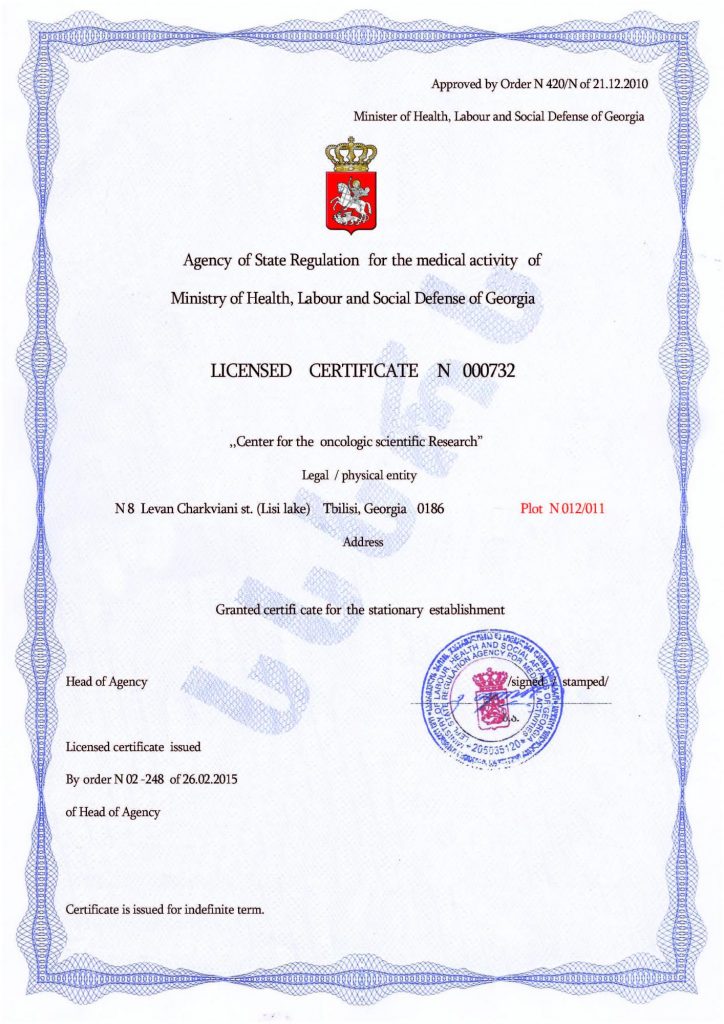
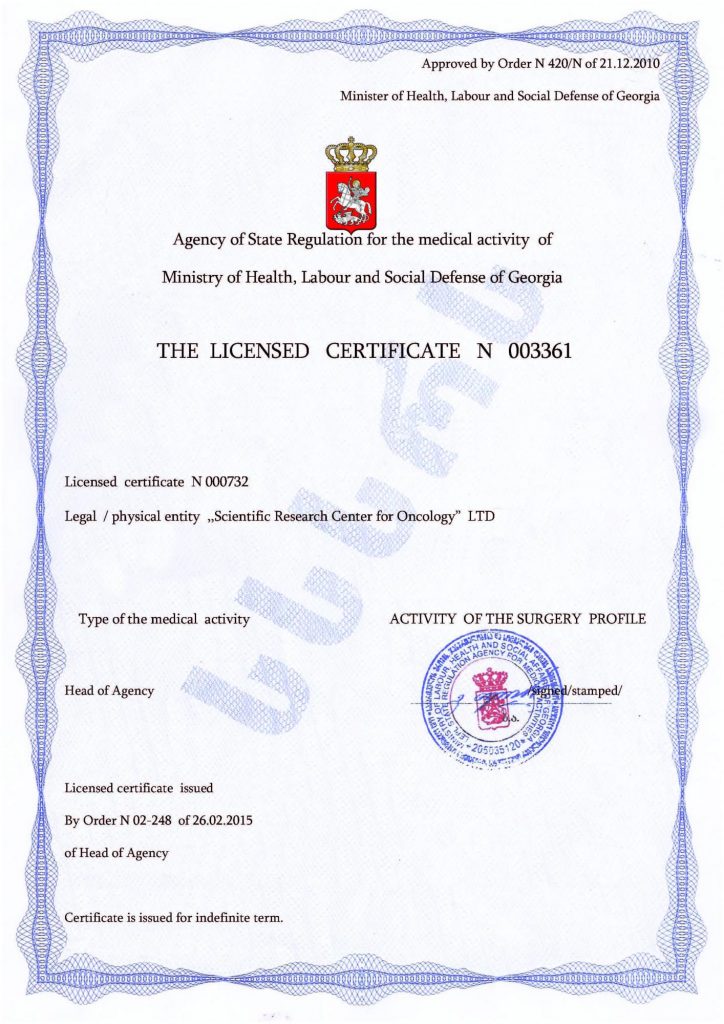
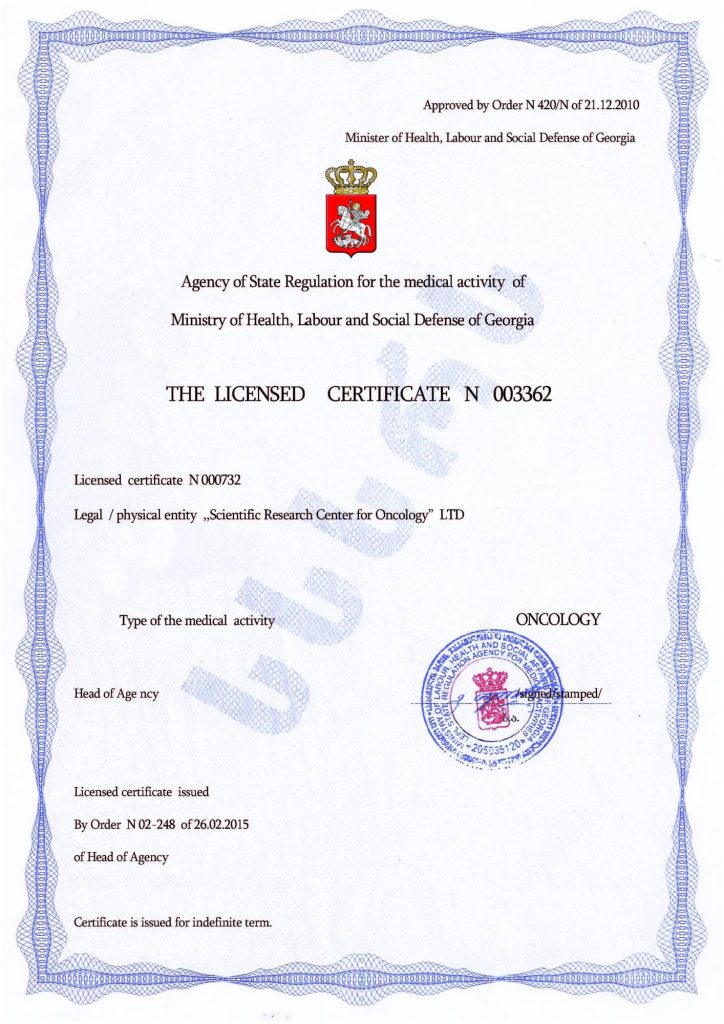
Thanks to its proven advantages, cellular therapy is considered a recognized method that may become the primary approach in the future. It is already used in leading clinics around the world, including the Mardaleishvili Medical Center. The center provides everything necessary to achieve the best possible positive outcomes — treatment is carried out by highly qualified doctors with extensive successful experience who work with state-of-the-art equipment. The treatment is also more financially accessible than in many other countries with advanced healthcare systems while meeting the strictest standards. Finally, comprehensive support can be provided, if necessary, when planning the trip and addressing other issues, including accommodation during the rehabilitation period.
Cellular therapy is not science fiction, but a reality in the treatment of autism!
Autism Treatment Center Videos
Autism treatment with own stem cells
Cord blood association congress
International Quality Crown
Autism Treatment Reviews
Autism treatment with own stem cells
The story of Alessandro (6 years old)
Autism Patient Testimonial - Stem Cell Treatment
Clients Testimonials

Feedback from Tatyana, Mekan’s mother (5 years old) Read More

Lidiya — Elina’s mother Read More

Anna – Sasha’s mother Read More

Amirkhon’s father — Tokhir Read More

Dilana’s mother Read More

Irina and Stefan – Ilya’s parents Read More
Certificates And Licenses