





Hair Obsession as a Sign of Autism
Any fixation in autism can be caused by a variety of factors. If a child shows an intense interest in hair, it may simply be a desire to explore a new hairstyle. However, this focus can also stem from deeper traits and preferences.
- One of the main reasons may be sensory seeking, as the texture of hair (its softness or smoothness) can have a calming effect and help relieve sensory overload.
• Reducing anxiety is also important—repetitive actions such as touching or pulling hair may serve as a form of self-regulation.
• A “special interest” may develop, where the focus is not just on hair itself, but on its color, style, or movement.
• Manipulating one’s own hair can also become a form of communication, signaling overload, boredom, or discomfort.
The first step is to identify the cause of this fixation in order to choose appropriate ways to reduce or manage it.
- Sensory alternatives can help—objects with similar textures such as silk scarves, soft paintbrushes, thread-based toys, or fidget items (tangles, fuzzy balls).
• Given the tendency toward ritualized behavior, structured routines can be introduced to replace hair-focused actions. For example, brushing hair can be scheduled at specific times using a timer. Visual cues and social stories can teach that pulling hair—one’s own or others’—is not acceptable. If the behavior persists, consultation with a pediatrician or occupational therapist may be necessary, especially in cases of hair pulling (trichotillomania). If the child tends to chew on hair, silicone chewable necklaces may be used as an alternative.
Sensory integration and ABA therapy help shape behavior by modifying rather than suppressing it. They also teach how to shift attention. Moreover, this interest can be redirected positively—for example, by encouraging hairstyle play with dolls or, for older children, offering books about hair.
At the same time, such fixation should not be ignored, as in severe cases it may lead to scalp damage, and swallowing hair can cause stomach pain due to the formation of bezoars (hairballs). It can also negatively affect social interaction with peers.
It is important to remember that “special interests,” even unusual ones like this, are rooted in autism spectrum disorders, making their management especially significant. To address the condition in the shortest possible time and with the highest likelihood of success, cellular therapy is presented as the most effective option, surpassing both traditional and experimental approaches. Early intervention is emphasized as increasing the chances of eliminating the disorder.
The therapy involves the transplantation of stem cells, which have the unique ability to transform into various cell types. The patient’s own stem cells are used, ensuring safety and minimizing invasiveness, as there is no risk of immune rejection. This approach is also highly natural, as it relies on the body’s regenerative potential.
The introduced cells replace damaged ones with healthy equivalents, leading to normalization of brain and nervous system function. As a result, behavior stabilizes, overall development accelerates, and skills form or improve more effectively. Autism symptoms become less pronounced or may disappear entirely. These improvements can last for many years, often for a lifetime, enhancing the effectiveness of additional supportive measures.
The therapeutic potential of cellular therapy is now widely recognized, and it may become a primary method for treating autism spectrum disorders in the future. It is currently practiced in leading clinics worldwide, including the Mardaleishvili Medical Center. The center’s highly qualified specialists possess strong academic backgrounds and extensive successful experience in stem cell transplantation, supported by state-of-the-art equipment that enables optimal treatment outcomes. The quality of care meets the strictest international standards, while costs remain lower than in many countries with advanced healthcare systems. Patients also receive comprehensive assistance with travel planning and accommodation during the rehabilitation period.
Cellular therapy is the most effective way to eliminate the disorders caused by autism!
Autism Treatment Center Videos
Autism treatment with own stem cells
Cord blood association congress
International Quality Crown
Autism Treatment Reviews
Autism treatment with own stem cells
The story of Alessandro (6 years old)
Autism Patient Testimonial - Stem Cell Treatment
Clients Testimonials
Feedback from Tatyana, Mekan’s mother (5 years old) Read More
Lidiya — Elina’s mother Read More
Anna – Sasha’s mother Read More

Amirkhon’s father — Tokhir Read More
Dilana’s mother Read More
Irina and Stefan – Ilya’s parents Read More
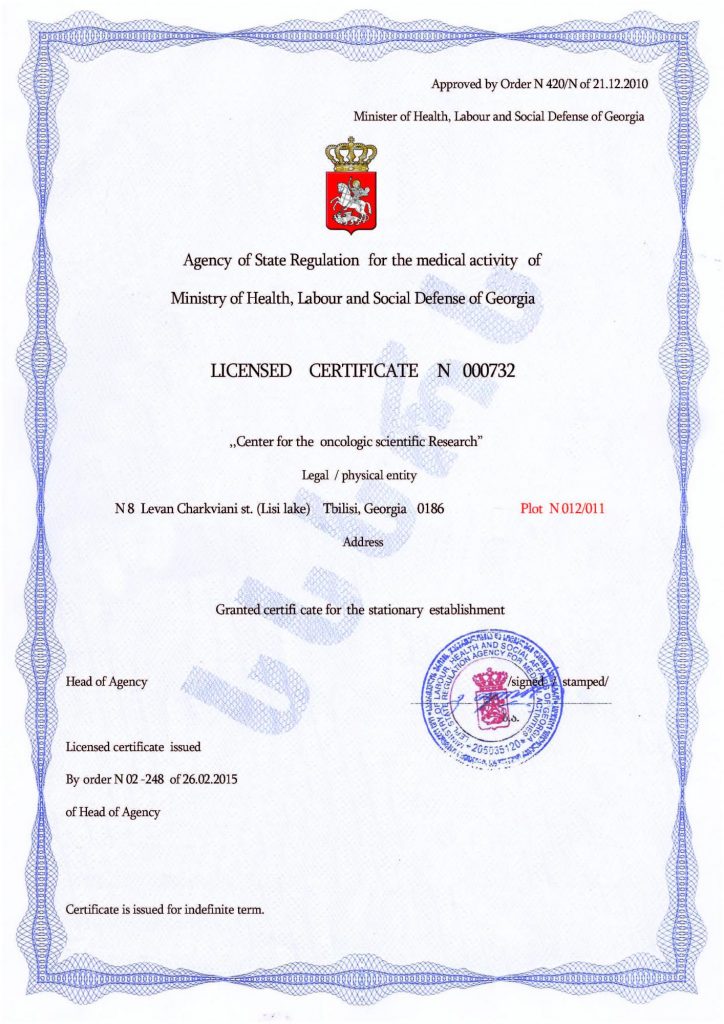
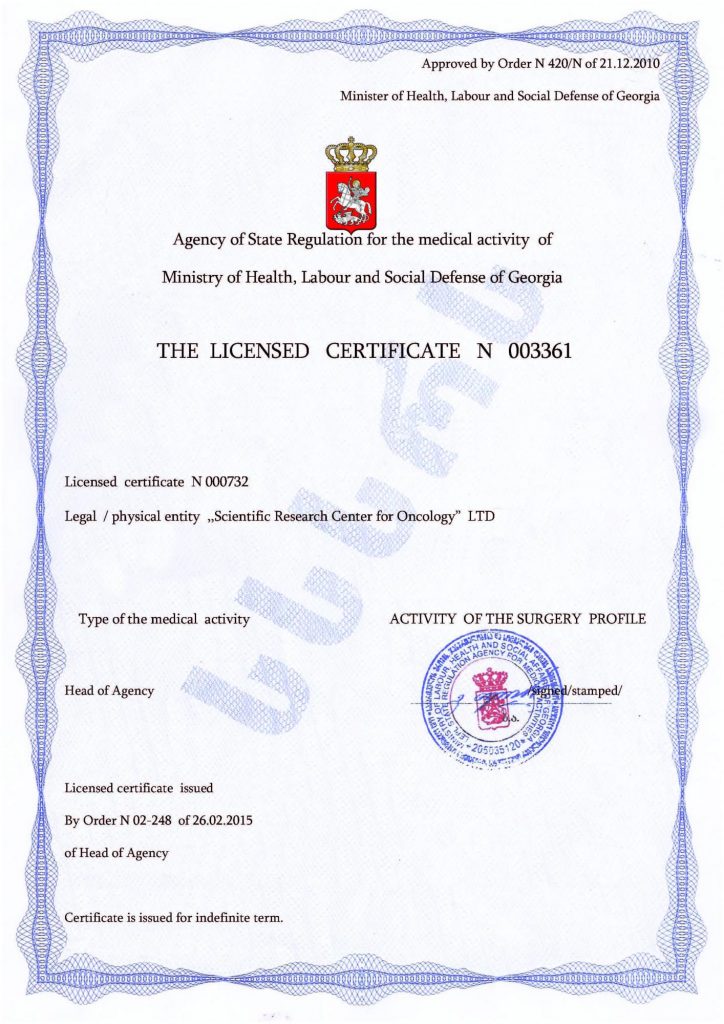
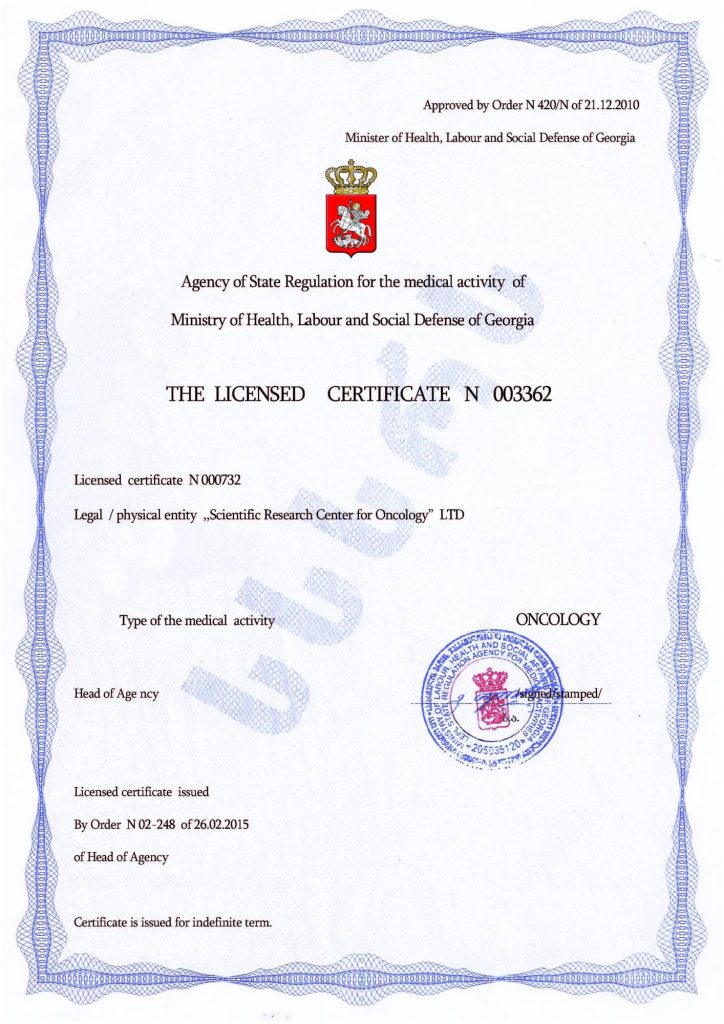
Certificates And Licenses